The Risks of Relying on a Single Supplier: Is Your Long-Term Partner Still Driving Your Brand's Growth?
- Share
- Issue Time
- Nov 3,2026
Summary
Relying on one supplier can limit product innovation and increase supply chain risks. Learn how brands can evaluate manufacturers, build a qualified backup supplier network and support long-term growth.

For many brands, working with the same manufacturer for years is a natural choice. A long-term supplier understands the brand's product requirements, quality standards, order processes and communication preferences. This familiarity can make sourcing more efficient and help maintain consistent product quality.
However, a stable relationship does not always mean a brand has a flexible or competitive supply chain. When all production depends on one supplier, unexpected delivery delays, quality issues or limited product development capabilities can have a wider impact on the business. More importantly, is your long-term supplier still helping your brand respond to market changes and develop more competitive products?
A reliable manufacturing partner should do more than fulfill orders. It should continue to bring value through product improvement, technical support and stable production. This is why brands should regularly review their supplier relationships and consider building a qualified backup supplier network. The goal is not necessarily to replace an existing partner, but to make sure the brand has the right manufacturing resources to support its long-term growth.
The Hidden Risks of Relying on a Single Supplier
Having one main supplier is not automatically a problem. For some brands, it is an efficient way to manage production and maintain consistent product standards. The risk begins when the brand becomes too dependent on that supplier and has no qualified alternative when its capabilities or performance fall short of expectations.
1. Delivery Delays Can Disrupt Sales and Inventory Planning
When a brand relies on one manufacturer for all its production, any unexpected disruption can affect the entire supply plan. Limited production capacity, raw material shortages, equipment problems or poor production scheduling may lead to delayed shipments.
For brands supplying distributors, retailers and large sales channels, a delayed order can mean more than a late delivery. It may result in stock shortages, missed promotional periods, lost sales opportunities and pressure on inventory planning.
The important question is not whether a supplier has ever experienced a delay. It is whether the manufacturer can manage production capacity, communicate problems early and respond with a practical solution when schedules change.
2. Product Quality and After-Sales Issues Can Damage Brand Reputation
Customers usually associate product performance with the brand name on the product, not the factory behind it. If a product develops recurring problems, receives negative online reviews or generates repeated consumer complaints, the brand is the one that has to deal with the consequences. A manufacturing partner should therefore provide more than basic quality inspection before shipment. It should have clear testing procedures, effective quality control and a structured process for investigating complaints and improving products.
When distributors report recurring problems or end users leave negative reviews, does the supplier help identify the root cause and take corrective action? Does it improve components, product structure or manufacturing processes where necessary? Or do similar issues continue to appear in later batches? Without effective after-sales support and continuous improvement, even a long-standing supplier relationship can become a source of risk.
3. Limited Product Development Can Hold Back Brand Growth
Another issue is less obvious but equally important: a supplier that keeps producing the same models without helping the brand develop its product range. Market demand does not remain the same year after year. Competitors introduce new designs and functions, consumer expectations change, and sales data reveal which products are gaining popularity and which are losing market appeal.
A valuable supplier should pay attention to these changes and bring useful ideas to product development discussions. It should be able to review market requirements, understand customer feedback and recommend improvements to existing products or the introduction of new models.
For example, in the gas appliance market, brands may need to reconsider product capacities, control panels, appearance, energy efficiency, safety features or different exhaust configurations as market requirements evolve. If a manufacturer only waits for the next purchase order and continues producing the same models, it may help maintain existing sales, but it does little to create new opportunities.
How Should Brands Evaluate Existing Suppliers and Choose a Backup Manufacturer?
Brands do not necessarily need to end a long-term partnership to reduce supplier dependency. A more practical approach is to review existing suppliers regularly while identifying and evaluating alternative manufacturers.
1. Production capacity and delivery reliability
Check whether the manufacturer can handle your regular order volume, seasonal demand and potential increases in production. Review its production planning, lead times, delivery records and ability to communicate when unexpected problems arise.
2. Quality control and after-sales support
Understand how the supplier manages incoming materials, production inspections and finished-product testing. More importantly, check whether it can investigate product complaints, identify root causes and implement corrective actions.
3. R&D and product development capabilities
Evaluate whether the manufacturer can improve existing models, develop new products and recommend technical or design adjustments based on market demand.
4. Market experience and OEM/ODM capabilities
A manufacturer with experience in different markets is more likely to understand differences in consumer preferences, product configurations and local certification requirements. Flexible OEM/ODM capabilities are also important when brands need customized designs, technical specifications, packaging or product positioning.
5. Communication and long-term cooperation
A dependable partner should understand your business requirements, raise potential problems early and provide practical suggestions. The ability to work through problems and improve together is an important part of a sustainable supplier relationship.
Once a potential manufacturer passes the initial evaluation, brands should move on to product sampling, technical verification, quality assessment and trial orders. Production capacity and delivery performance should also be checked before assigning regular orders.
For some brands, it may make sense to allocate different product categories or models to different manufacturers. This can create more flexibility while allowing each supplier to focus on the products it is best equipped to produce. The objective is not to work with as many factories as possible. It is to build a reliable network of qualified manufacturers that gives the brand more control over sourcing decisions.
Why a Qualified Second Supplier Can Strengthen Your Brand
A qualified alternative supplier is not just an emergency option when the main manufacturer cannot deliver. It can bring additional value to the brand's sourcing and product development strategy.
First, it improves supply chain flexibility. If the main supplier faces capacity limitations or production disruptions, an approved alternative manufacturer gives the brand another option to help maintain product availability and reduce the impact on sales plans.
Second, it creates more room for product development. Different manufacturers may have different engineering experience, component resources and technical solutions. Working with another qualified supplier can introduce fresh ideas, help improve existing models and create opportunities to expand the product range.
Third, it gives purchasing teams more information when comparing manufacturing solutions, product configurations and cost structures. This does not mean choosing the lowest-priced factory. It means making sourcing decisions based on a clearer understanding of product quality, production capability and overall value.
Most importantly, these advantages can improve the experience of the brand's distributors, retailers and end users. More reliable product availability, consistent quality and timely improvements help reduce complaints and build customer confidence. Over time, this can support repeat purchases and a stronger brand reputation. A well-managed supplier network is therefore more than a way to reduce sourcing risks. It is part of a brand's long-term competitiveness.

Greaidea: An Experienced Chinese Gas Appliance Manufacturer Worth Considering
For brands looking to diversify their sourcing options, China offers a mature gas appliance manufacturing base with extensive production experience, engineering resources and OEM/ODM capabilities. Choosing the right manufacturer, however, requires more than comparing quotations. Market understanding, product development, quality management and delivery performance all matter.
Greaidea is a China-based gas appliance manufacturer with more than 26 years of manufacturing experience, working with international brands across different markets. Its product portfolio covers gas water heaters, gas hobs and range hoods, providing brands and retailers with a broader range of manufacturing solutions.
What makes Greaidea worth considering as an additional manufacturing partner is its focus on more than order fulfillment.
Market-oriented product development: Greaidea pays attention to market requirements, product trends and customer feedback when developing and improving its products. The team can work with customers to review product configurations, identify improvement opportunities and develop new solutions for different market segments.
Flexible OEM/ODM customization: From gas type, capacity and exhaust configuration to control panels, knobs, appearance, branding and packaging, Greaidea supports product customization based on a brand's positioning and target market.
Quality management aligned with brand requirements: Greaidea carries out product testing and pre-shipment inspections, with quality requirements and evaluations coordinated with customers. This helps maintain product consistency and identify potential issues before shipment.
Production and delivery support: Stable manufacturing and order coordination are essential for brands managing regular inventory and seasonal sales. Greaidea works with customers on production planning and delivery arrangements to support their sourcing schedules.
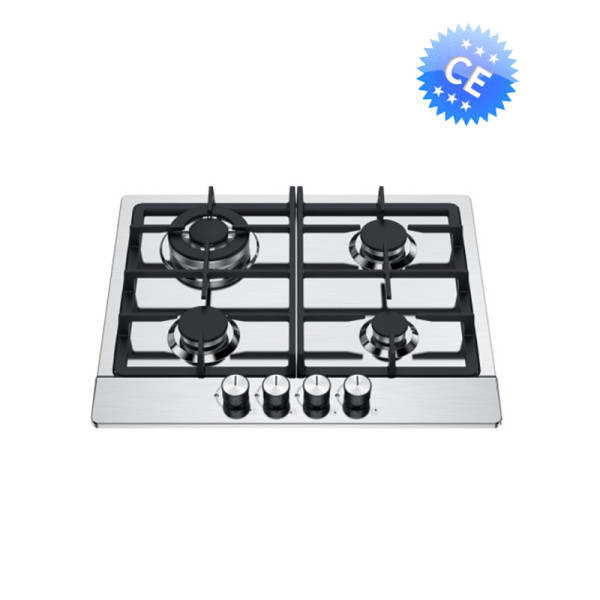
Ideal for brands seeking CE-certified, durable, and cost-effective gas hobs.
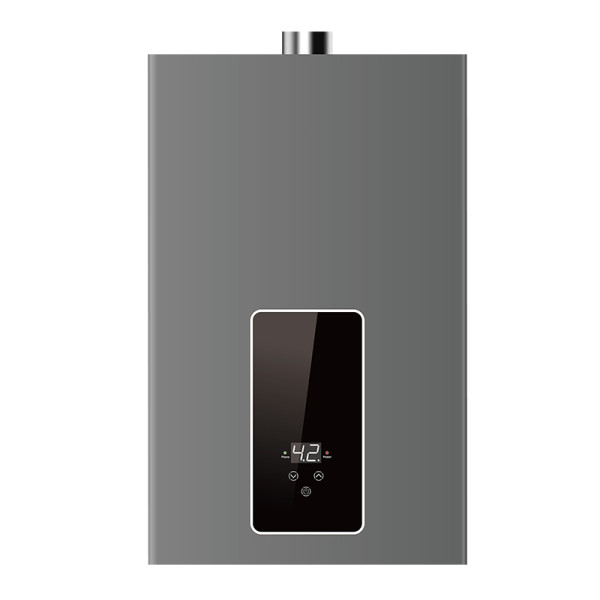
Air-cooled gas water heater with AI temp control, V-shape burner, and dual-speed fan for high efficiency.
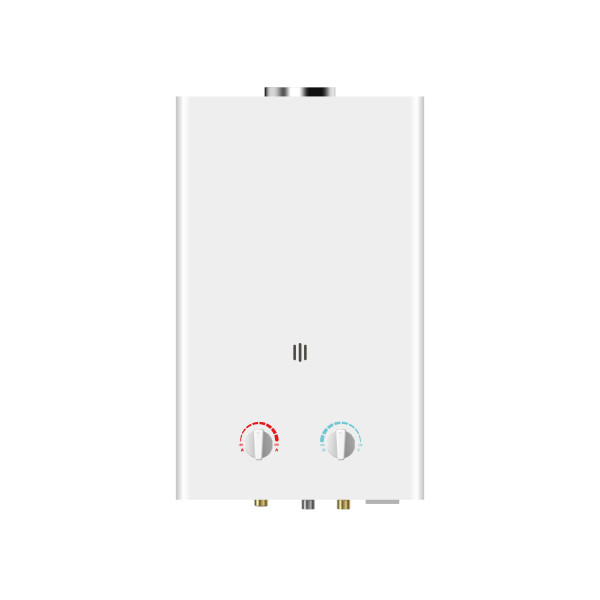
Wholesale flue gas water heater with factory-direct pricing, reliable quality, efficient performance, and OEM & ODM support.
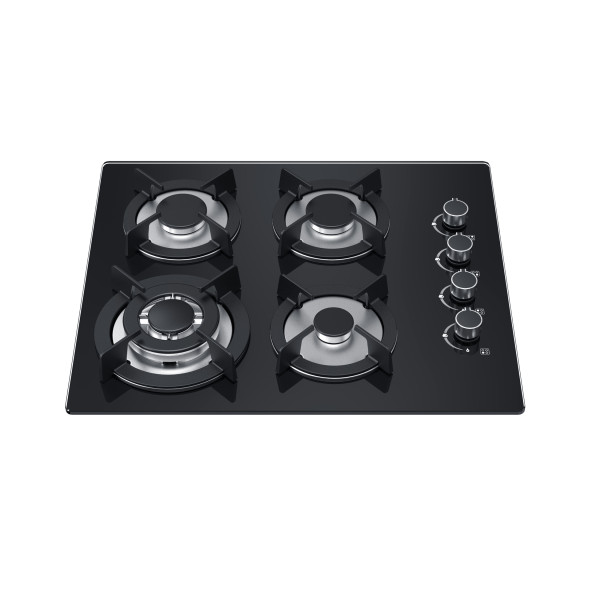
A premium 4 burner glass gas hob with strong performance and reliable quality, offering ODM customization to help brands upgrade their gas hob line and meet different market needs.
With experience in international markets and cooperation with established brands, Greaidea understands that different markets require different product solutions. Its role is not limited to manufacturing according to specifications, but also includes supporting customers as they review, update and expand their product portfolios. For brands that already have long-term manufacturing partners, Greaidea can be considered as an additional qualified supplier. Whether the priority is developing new gas water heater models, expanding gas hob selections or exploring customized OEM/ODM solutions, having another experienced manufacturer gives brands more options for future product and sourcing decisions.
Build Supplier Relationships That Continue to Create Value
A long-term supplier relationship should be measured by more than the number of years you have worked together. Consistent quality, reliable delivery, responsive after-sales support and the ability to keep improving products are what make a manufacturing partnership valuable over time.
Brands do not need to abandon trusted suppliers, but they should avoid relying on a single source without regularly reviewing its performance and considering qualified alternatives. A well-evaluated supplier network can reduce supply chain risks, support product innovation and give brands greater flexibility as market demands change.
If you are reviewing your gas appliance sourcing strategy or looking for another experienced OEM/ODM manufacturing partner, Greaidea is ready to discuss your product requirements and potential cooperation. Explore Greaidea's Gas Appliance Manufacturing Solutions and discover more possibilities for your brand's next product range.