High-Altitude Gas Water Heater Upgrades: DC Motor Forced Exhaust Solutions for Brands
- Share
- Issue Time
- Oct 6,2026
Summary
Explore high-altitude gas water heater upgrades with DC motor forced exhaust solutions for brands targeting Mexico, Chile, Colombia and other Latin American markets.
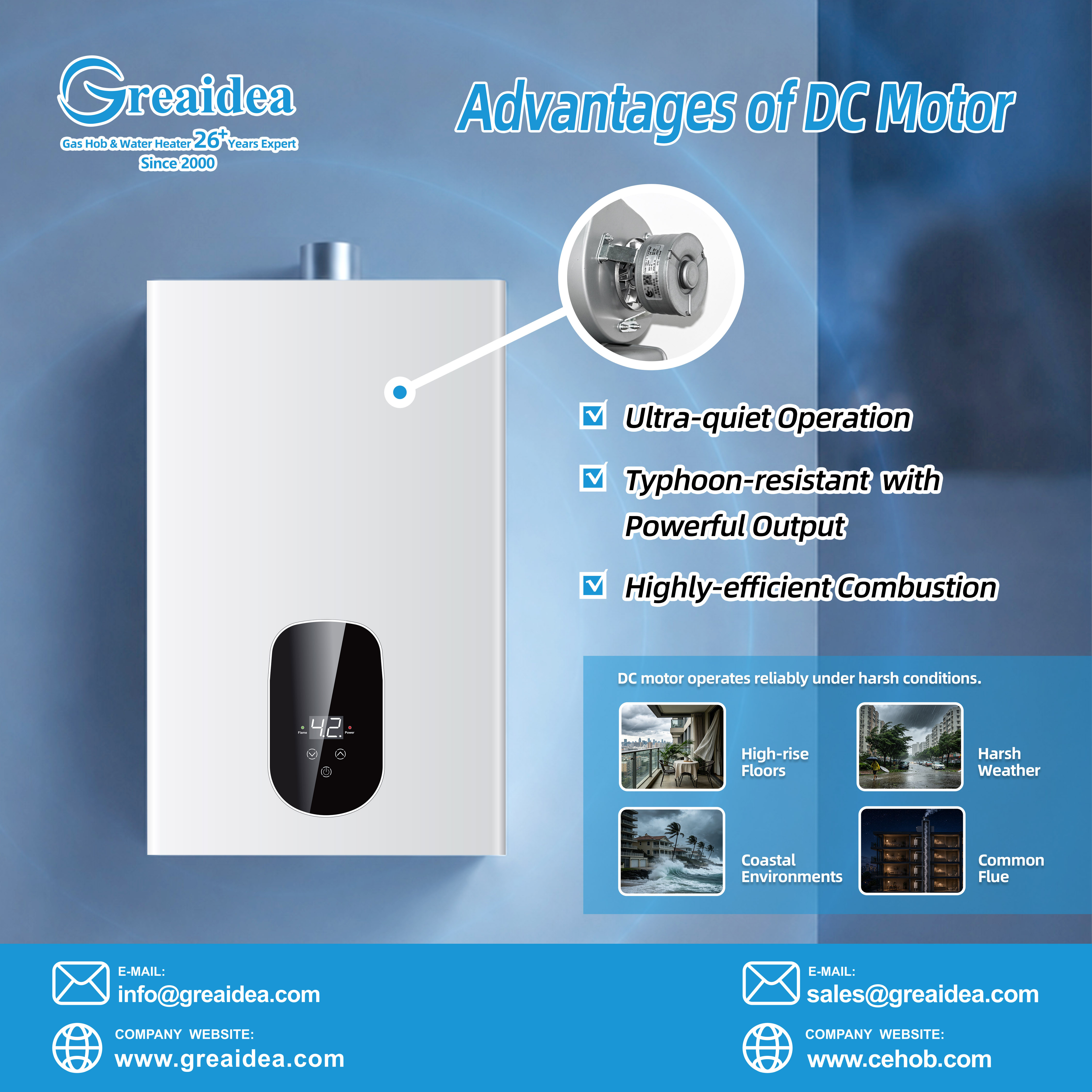
For brands selling gas water heaters in high-altitude markets, product upgrades are becoming an important way to improve market competitiveness. In parts of Mexico, Chile, Colombia and other Latin American markets with high-altitude cities and regions, gas water heaters need to perform reliably under different installation conditions, weather conditions and power environments.
Many brands still focus mainly on flue-type gas water heaters, but forced exhaust models are becoming an important addition to more complete product lines. For brands looking for a further upgrade, moving from a traditional AC motor to a DC motor in a forced exhaust gas water heater can provide better airflow control, more stable operation and stronger adaptability to demanding operating conditions.
For brands planning to expand their product lines for high-altitude markets, this is not simply a component upgrade. It is an opportunity to build a more competitive gas water heater portfolio.
From Flue-Type to Forced Exhaust: A Practical Product Line Upgrade
Flue-type gas water heaters remain an important choice in many Latin American markets because of their relatively simple structure, competitive cost and established market acceptance. However, they are not the only option for brands looking to expand their product range.
Forced exhaust gas water heaters use a fan to actively discharge combustion gases instead of relying mainly on natural draft. This gives the system more control over the airflow and exhaust process and can help reduce the risk of flue gas backflow when the product is correctly installed and vented.
The product category is already visible across major Latin American e-commerce platforms. In Mexico, for example, online marketplaces such as Mercado Libre offer forced exhaust and related high-performance gas water heater models from multiple brands. This gives brands an established product direction to consider when expanding beyond traditional flue-type models.
For a brand, adding forced exhaust does not necessarily mean replacing the existing flue-type range. A more practical strategy can be to build different product levels for different customer needs: Flue Type → AC Motor Forced Exhaust → DC Motor Forced Exhaust.This creates more room for market segmentation, pricing and product positioning.
Why Forced Exhaust Offers More Application Flexibility
The main advantage of forced exhaust is greater control over combustion air supply and exhaust. The built-in fan actively supports the exhaust process, helping the water heater maintain more controlled airflow during operation. This can support more stable combustion and hot water temperature compared with systems that depend primarily on natural draft.
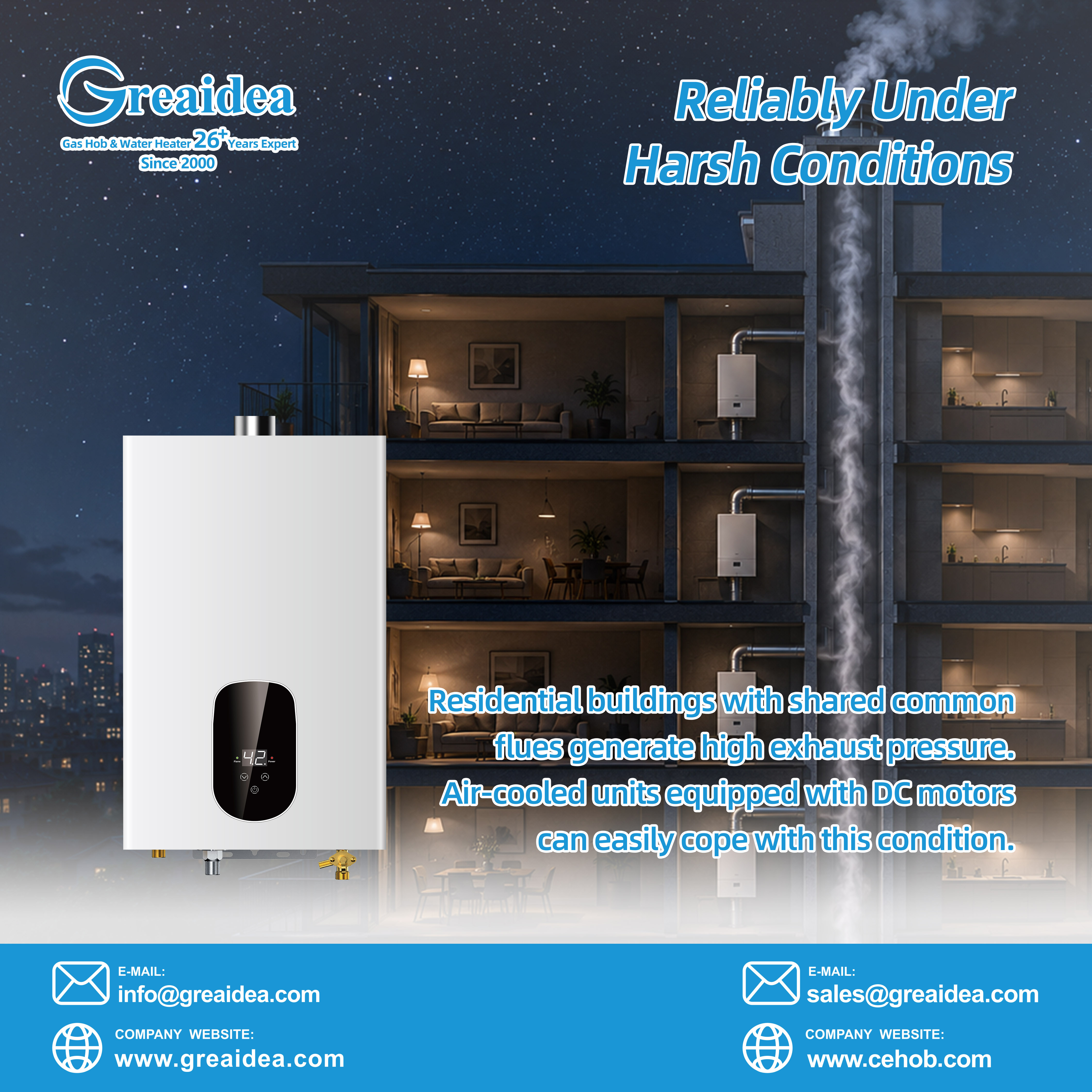
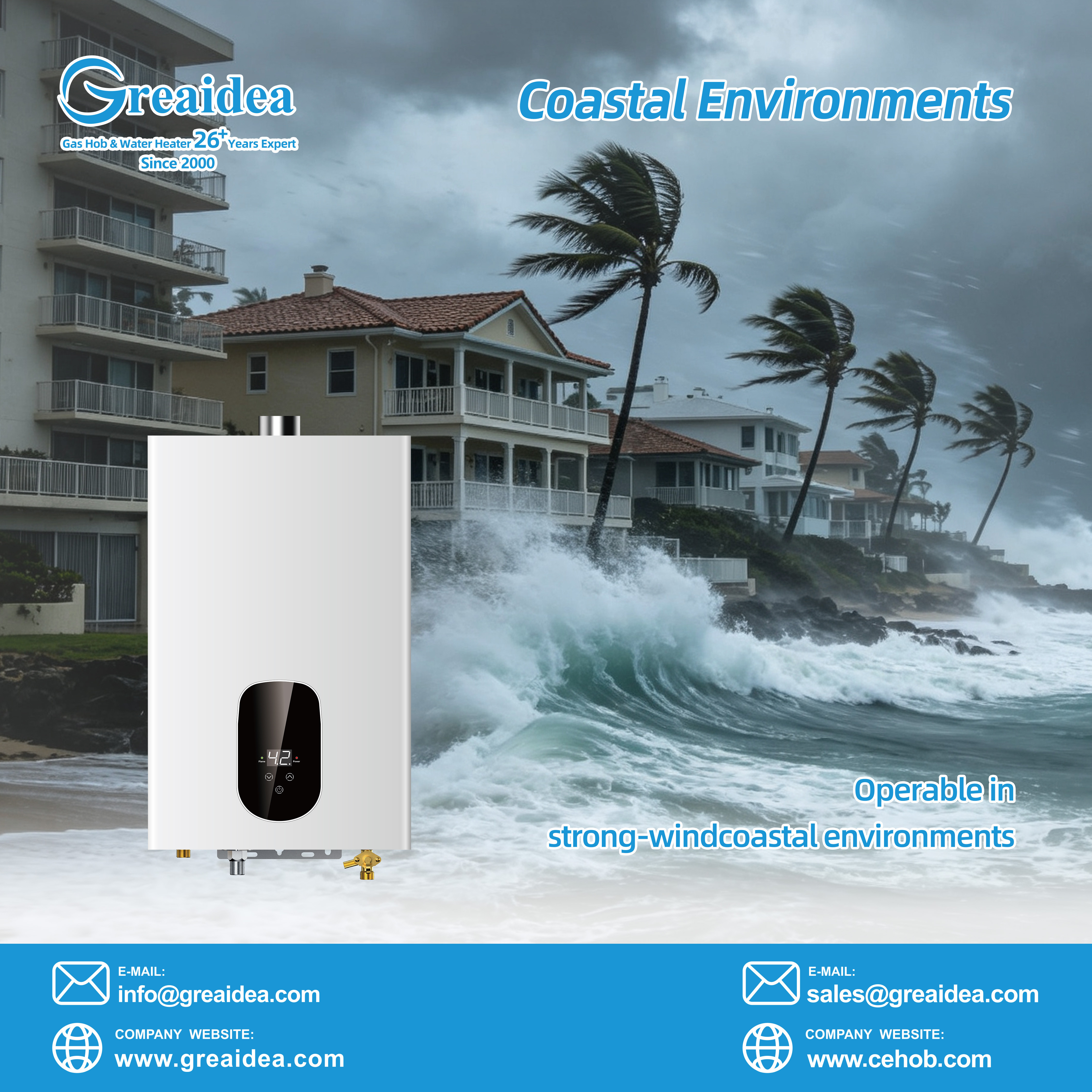
It also makes forced exhaust models suitable for a wider range of installation environments. Building structure, floor level, weather conditions and ventilation conditions can all affect how a gas water heater operates. A controlled forced-exhaust system can provide a more consistent operating environment when the product is properly designed, installed and tested.
For brands, this means forced exhaust is not simply a more advanced-looking product. It can become a practical way to offer customers a different level of performance and application flexibility. But for high-altitude markets, the fan and motor system deserve even more attention.
DC Motor: A Further Upgrade for High-Altitude Gas Water Heaters
Many forced exhaust gas water heaters use AC motors. They are proven, widely used and can provide a cost-effective solution for many markets. However, when a brand is developing products for high-altitude areas, a DC motor can offer an additional level of control.
At higher altitudes, the combustion environment changes. The reduced oxygen density means that combustion and exhaust systems need to be properly matched to maintain stable operation. This makes airflow control an important part of high-altitude gas water heater design. A DC motors allow for more precise control of fan speed based on the equipment's operating requirements, thereby better meeting combustion and exhaust needs.
More Precise Airflow and Combustion Control
With more precise fan speed control, a DC motor system can better match the airflow required by the burner under different operating conditions. This helps support more stable combustion and more consistent water temperature. For brands targeting high-altitude markets, this can be especially valuable when developing gas water heaters that need to maintain reliable performance under more demanding environmental conditions.
More Stable Operation Under Voltage Fluctuations
A well-designed DC motor system can maintain more stable operating performance under certain voltage fluctuations, helping reduce the risk that changes in motor operation will affect airflow and exhaust performance. This does not mean a DC motor is unaffected by poor power quality. The overall electrical design, motor controller and voltage range still matter. But compared with a basic motor system, precise electronic control provides manufacturers with more flexibility when designing a stable forced exhaust gas water heater.
Higher Motor Efficiency and Lower Operating Noise
DC motors can also provide higher electrical efficiency and more precise speed control. Under comparable operating conditions, the motor can consume less power while delivering the required fan performance. Lower operating noise is another practical benefit. For indoor gas water heaters, quieter fan operation can contribute to a better user experience.
For brands, these advantages can become useful selling points when moving a product from an entry-level configuration toward a more performance-focused range.
A High-Altitude Gas Water Heater Is More Than One Upgraded Component
Changing an AC motor to a DC motor is an important upgrade, but it should not be treated as a complete high-altitude solution by itself. A reliable high-altitude gas water heater needs the combustion system, heat exchanger, water flow, temperature control and safety protection to work together.
The product should also be tested under the conditions it is expected to face in the target market. This is where the difference between a product supplier and a product development partner becomes clear. A supplier may be able to replace one motor with another. A manufacturer with product development and engineering experience should be able to evaluate the complete configuration and determine whether the solution actually fits the market.
The goal is not simply to make a "high-altitude" version. The goal is to develop a gas water heater that works reliably in the environment where it will actually be sold and used.
Build Different Gas Water Heater Solutions for Different Markets
For a price-sensitive product line, a traditional flue-type gas water heater may still be the right choice. For brands that want to add a higher-performance product, an AC motor forced exhaust model can provide another option. For brands targeting higher-altitude areas or looking for more advanced performance, a DC motor forced exhaust gas water heater can become a stronger product-line upgrade.
A well-planned product line can cover different price levels while giving distributors and retailers more products to work with. More importantly, it allows brands to respond to different market conditions.
Greaidea: High-Altitude Gas Water Heater Solutions for Brand Upgrades
Developing a high-altitude gas water heater requires more than selecting a motor. It requires market understanding, product configuration, engineering and testing. Greaidea provides multiple gas water heater solutions for brands looking to upgrade their product lines, including AC motor forced exhaust models, DC motor forced exhaust models and air-cooled gas water heater solutions.
For high-altitude applications, Greaidea has carried out product testing under high-altitude conditions to evaluate combustion and heating performance. Relevant tested models have achieved thermal efficiency of up to 89% under test conditions, providing useful performance data for product development and market evaluation.
The configuration can also be adjusted according to the customer's target market, gas type, performance requirements, appearance, functions and target cost. For brands, this means the development process can start from the market: Market Requirements → Product Positioning → Configuration → Testing → Manufacturing → OEM & ODM
This approach gives brands more options when developing or upgrading gas water heaters for Mexico, Chile, Colombia and other Latin American markets.
Air-cooled gas water heater with AI temp control, V-shape burner, and dual-speed fan for high efficiency.

Smart air-cooled instant gas water heater with AI temperature control, premium design and ODM support for brands.
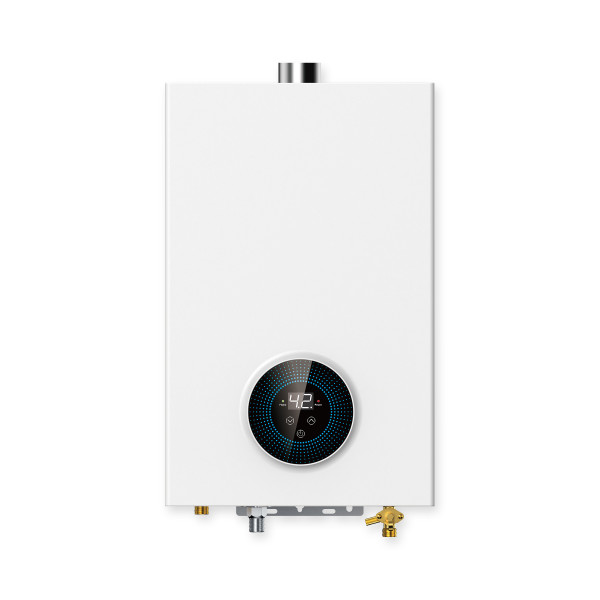
Smart gas water heater with 89% efficiency and touch screen options, designed for flexible ODM brand solutions.
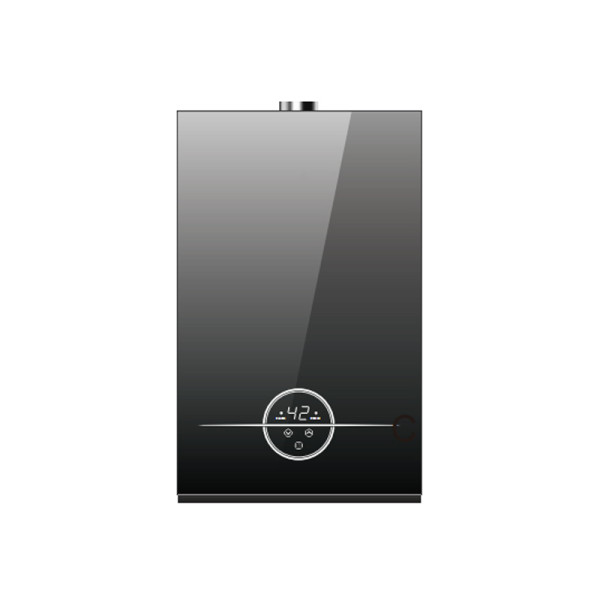
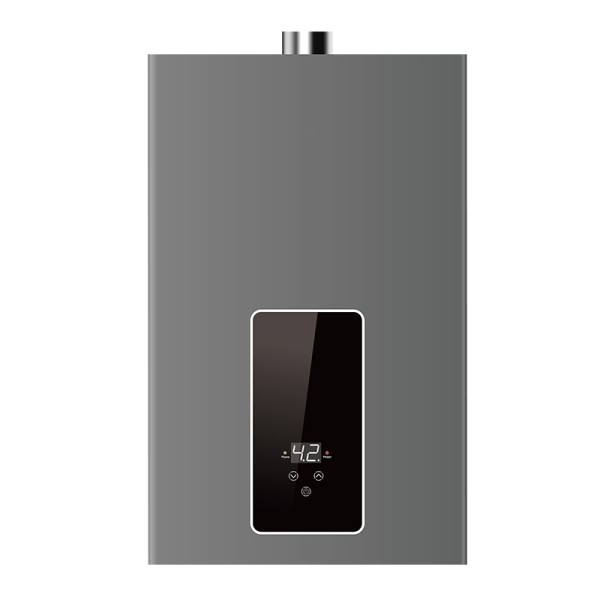
The glass-panel gas water heater can be customized with patterns according to market demand, and the temperature can be adjusted via a touch screen panel.
Upgrade the Product Line Before the Market Requires It
For brands in high-altitude markets, staying competitive is not only about adding more models. It is about adding the right models for the conditions where customers actually use them. The right solution will depend on the target market, altitude, customer needs, product positioning and cost.
For brands looking to upgrade their high-altitude gas water heater product line, Greaidea can provide multiple configurations and support the process from product selection and engineering to testing, manufacturing and OEM & ODM customization.
Looking for a high-altitude gas water heater solution for your market? Contact Greaidea to discuss the right forced exhaust, DC motor or air-cooled configuration for your brand.