Is Your Gas Appliance Product Line Ready for 2026? What Brands Need to Plan Now
- Share
- Issue Time
- Jan 21,2026
Summary
Planning for 2026 requires clear market insight, compliance readiness, and product strategies aligned with real consumer behavior. Learn how brands can prepare gas appliance lines with confidence.

As 2026 approaches, many gas appliance brands and distributors are asking themselves an uncomfortable but necessary question: are we truly prepared for the next stage of growth?
Planning for the year ahead is no longer about setting sales targets alone. It requires understanding target markets in depth, anticipating compliance requirements, and—most importantly—aligning product lines with real consumer behavior. For brands that want stable growth in 2026, now is the time to plan, not to react.
2026 Planning Starts with Market Reality, Not Assumptions
One of the most common mistakes brands make is assuming that a product that performs well in one market will naturally succeed in another. In reality, gas appliance demand is highly market-specific. Differences in gas types, usage habits, safety expectations, and price sensitivity directly shape what sells—and what does not.
Brands that plan effectively for 2026 start by asking practical questions:
Which markets are we targeting next? What certifications will be required? Are local consumers prioritizing efficiency, durability, or ease of maintenance? Without clear answers, product planning becomes guesswork, and guesswork is expensive.
Compliance and Certification Should Shape Product Design Early
Regulatory compliance is no longer a final checklist item. In many markets, certification requirements directly influence internal structure, component selection, and even external design.
Brands that delay compliance planning often face:
Redesign costs after testing failures
Missed selling seasons due to certification delays
Increased risk when entering regulated markets
By contrast, brands that integrate compliance thinking early are able to move faster and more confidently in 2026. Certification readiness becomes a competitive advantage, not a bottleneck.
Product Line Upgrades Must Reflect How Consumers Actually Use Gas Appliances
Across global markets, consumer behavior around gas appliances is evolving—but not disappearing. Users still value gas cooking and heating, yet they expect better efficiency, clearer control, and lower long-term costs.
For brands, this means that product line upgrades should focus on stable performance during long-term use, energy-saving effects that reduce operating costs, and designs that balance functionality and market preferences.
Simply adding features without understanding usage scenarios often leads to higher costs without higher sales. Successful brands in 2026 will be those that upgrade with purpose.
Why Many Brands Are Rethinking Their Existing Suppliers
As planning becomes more complex, many brands realize that their current suppliers are limited to execution, not strategy. Manufacturing capacity alone is no longer enough.
Common concerns include:
Slow or inflexible product iteration
Limited understanding of different market requirements
Weak support during product planning stages
This is why more brands are reassessing their supplier relationships—not to reduce costs, but to reduce risk and improve product-market fit in 2026.
Planning 2026 with a Manufacturer That Understands the Market
This is where experienced OEM and ODM manufacturers play a critical role. Greaidea works with brands not only to produce gas appliances, but to plan product lines that align with market demand.
With over 25 years of experience in gas appliance manufacturing, Greaidea supports clients in early-stage planning, helping them define which products should be developed, upgraded, or phased out based on real market insights. This approach allows brands to enter 2026 with clarity instead of uncertainty.
From Product Concepts to Market-Ready Solutions
Rather than offering one-size-fits-all designs, Greaidea collaborates closely with clients to turn market goals into practical product solutions.
Support typically includes:
Product configuration planning based on target market
Structural optimization to balance cost, safety, and performance
Iteration strategies for expanding or refreshing product lines
This process helps brands avoid launching products that look competitive on paper but fail in real sales channels.
Real Collaboration Leads to Stronger 2026 Launches
Many brands that shift to a more collaborative manufacturing model see immediate benefits. Products become easier to position, distributors gain confidence, and internal teams spend less time fixing avoidable issues.
By aligning product planning, manufacturing execution, and market requirements, brands are better prepared for trade shows, distributor negotiations, and seasonal promotions in 2026. Strong planning creates momentum that pricing alone cannot achieve.
Prepare Your 2026 Gas Appliance Strategy with Confidence
The brands that succeed in 2026 will not be the ones that move fastest, but the ones that plan smartest. Whether you are entering a new market, upgrading an existing product line, or searching for a more reliable manufacturing partner, preparation is the foundation of growth.
Greaidea works with brands, wholesalers, and distributors to plan and manufacture gas appliances that are market-ready, compliant, and commercially viable.
If you are preparing your gas appliance product line for 2026, contact Greaidea to discuss a tailored OEM or ODM solution built around your market goals.
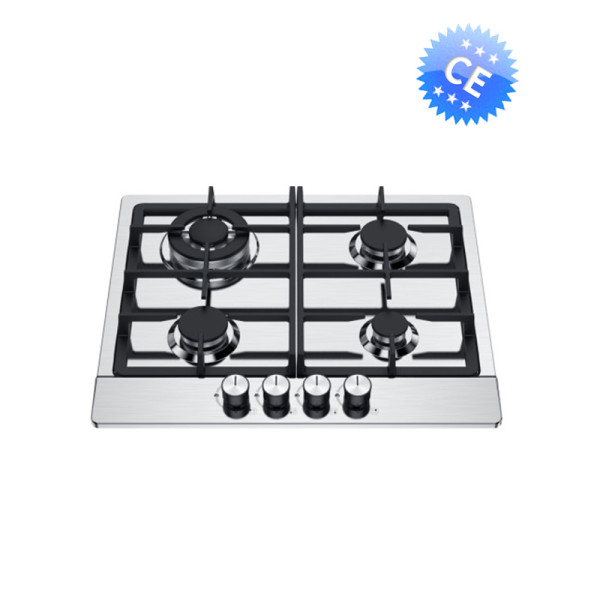
Ideal for distributors seeking CE-certified, durable, and cost-effective gas hobs.
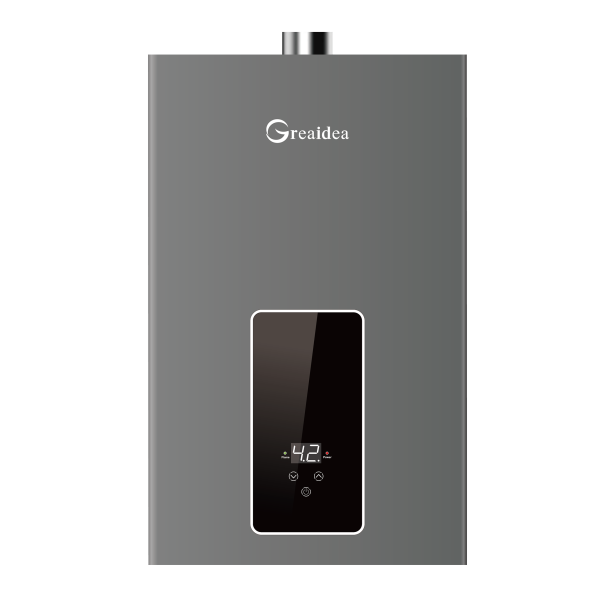
Air-cooled gas water heater with AI temp control, V-shape burner, and dual-speed fan for high efficiency.
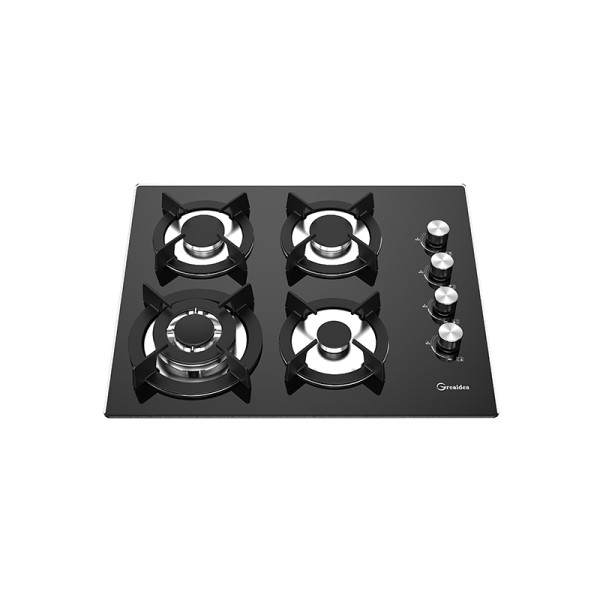
The first choice to enhance your gas hob series, Greaidea provides high-end configurations at competitive prices.

Designed for eco-friendly markets seeking reduced nitrogen oxide emissions and high efficiency.