Optimizing Gas Hob Burner and Knob Layout for Better Cooking Experience and Stronger Market Performance
- Share
- Issue Time
- Nov 19,2026
Summary
Explore how gas hob burner spacing, power distribution, and knob placement improve cooking convenience and help brands develop more competitive gas hob products.
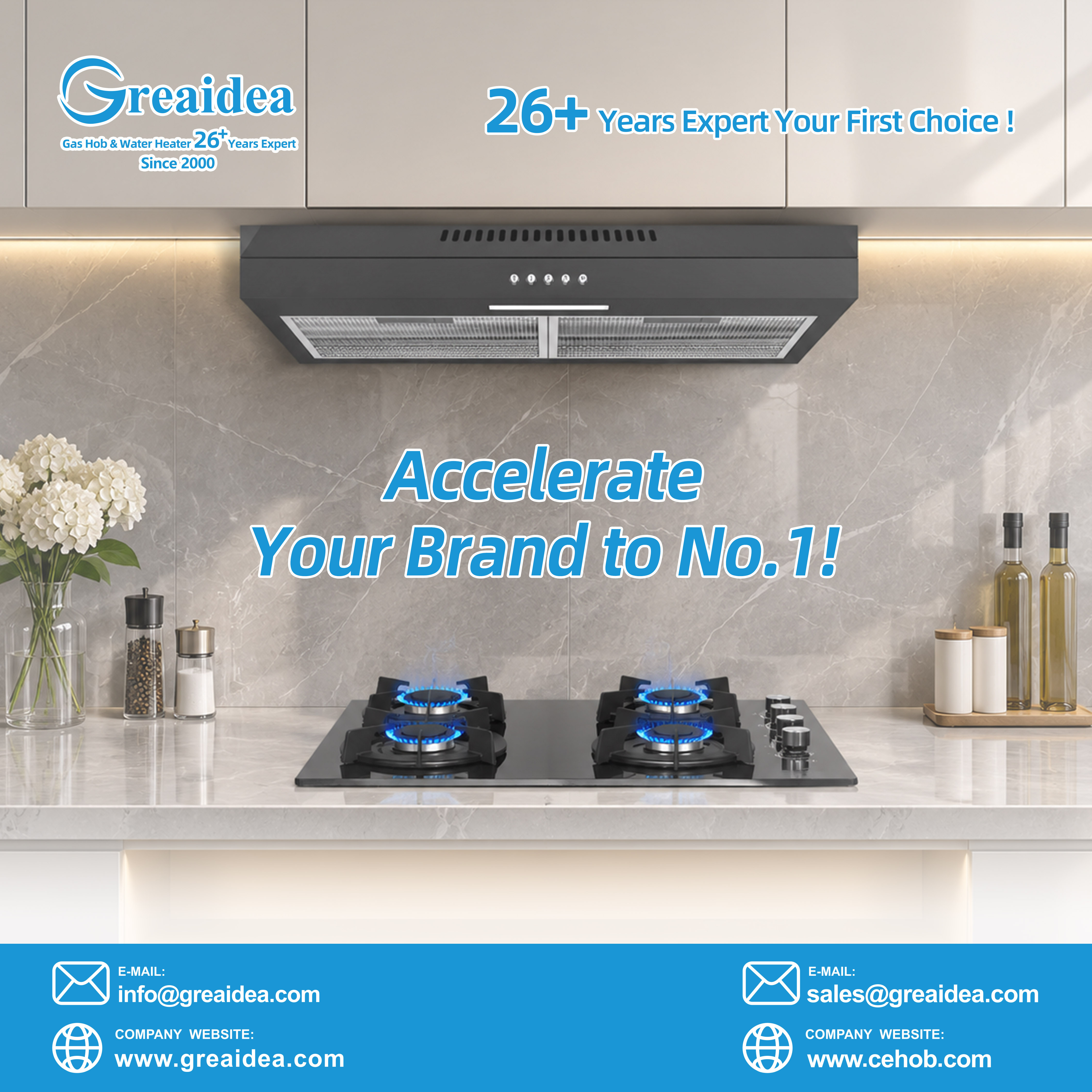
When developing or upgrading a gas hob, brands often focus on panel materials, burner power, and pan support design. These features are important, but another factor deserves equal attention: the layout of the burners and control knobs.
A gas hob may have powerful burners and an attractive glass or stainless steel panel, but if cookware is crowded together or the knobs are difficult to operate, the overall cooking experience can suffer. These details affect how conveniently people use the product every day and how they evaluate its quality. For brands, a well-planned gas hob burner layout and knob layout can do more than improve usability. They can help create a more distinctive product and give the brand an advantage in a market where many gas hobs look similar.
Gas Hob Burner Layout: Making Every Cooking Zone More Practical
Burner layout determines how much usable cooking space a gas hob provides. Their positions, spacing, and power distribution all affect how easily users can cook with multiple pots and pans at the same time.
Burner Spacing and Cookware Clearance
When burners are placed too close together, large pots and pans may overlap or compete for space. Handles can get in the way, and users may need to reposition cookware during cooking. A practical gas hob design should take common cookware sizes into account. Designers need to consider the distance between burner centers, pan support dimensions, cookware diameter, and available space around each cooking zone. The goal is to allow different pots and pans to sit securely without unnecessary interference.
Distributing Burner Power for Different Cooking Needs
Burner power distribution also matters. A high-power burner is useful for cooking that requires stronger heat, while lower-power burners can be more suitable for simmering or everyday heating tasks. A layout that places the main burner in a convenient cooking position while leaving enough room for other cookware can make the hob easier to use.
For gas hob manufacturers, the challenge is to balance burner power, spacing, and panel dimensions. A good layout should make each cooking zone useful without creating conflicts between neighboring pots and pans.
Gas Hob Knob Layout: Making Everyday Operation Easier
Control knobs are among the parts of a gas hob that users interact with most frequently. Their position, spacing, and relationship with the burners can affect how quickly and comfortably users adjust the flame.
Front-Mounted or Side-Mounted Knobs?
Front-mounted knobs offer direct access from the front of the appliance. This arrangement is familiar and can make the controls easy to identify. However, the design needs to leave enough room for comfortable operation and keep the knobs appropriately positioned in relation to the burners and cookware.
Side-mounted knobs offer a different layout and can work well with certain panel shapes and product designs. The position should feel natural to users and should not make flame adjustment difficult.
Neither arrangement is automatically better. The right choice depends on the overall gas hob dimensions, burner positions, panel design, and target users.
Clear Knob-to-Burner Correspondence
The relationship between the controls and cooking zones should be easy to understand at a glance. Designers should also consider hand access, nearby heat sources, and the space needed to turn each knob comfortably. These details may seem small, but they shape the first impression of how easy a gas hob is to use. A well-designed control layout makes everyday operation more straightforward and helps create a better overall user experience.
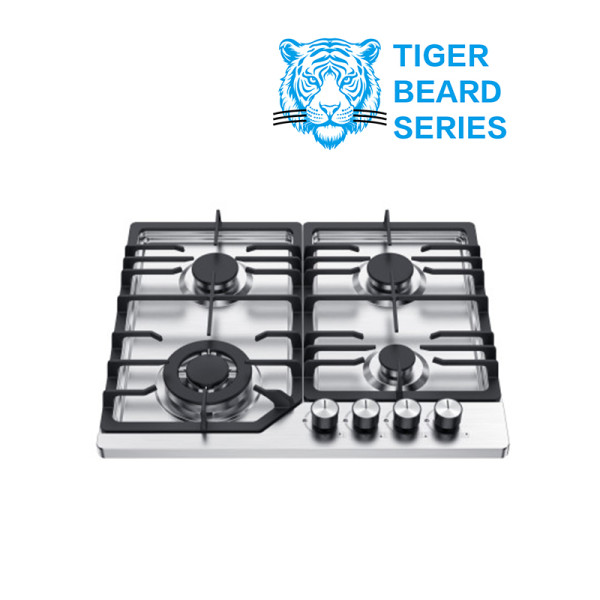
Tiger Beard Series – Newly designed four burner gas hob with high-efficiency burners that stand out in the market.
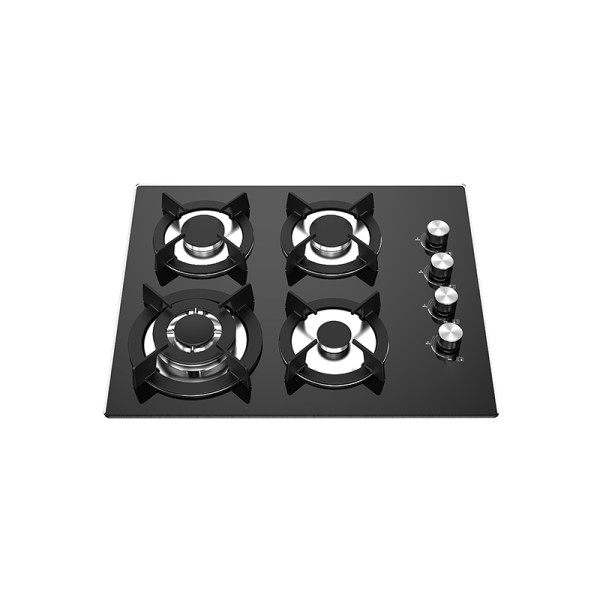
The first choice to enhance your gas hob series, Greaidea provides high-end configurations at competitive prices.
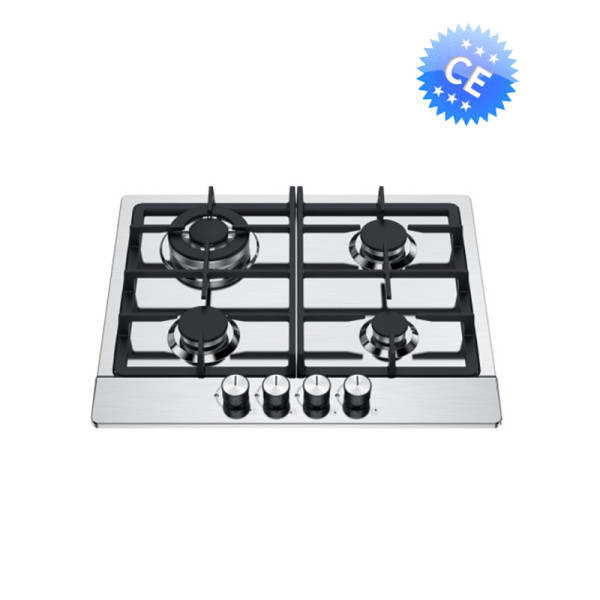
Ideal for brands seeking CE-certified, durable, and cost-effective gas hobs.
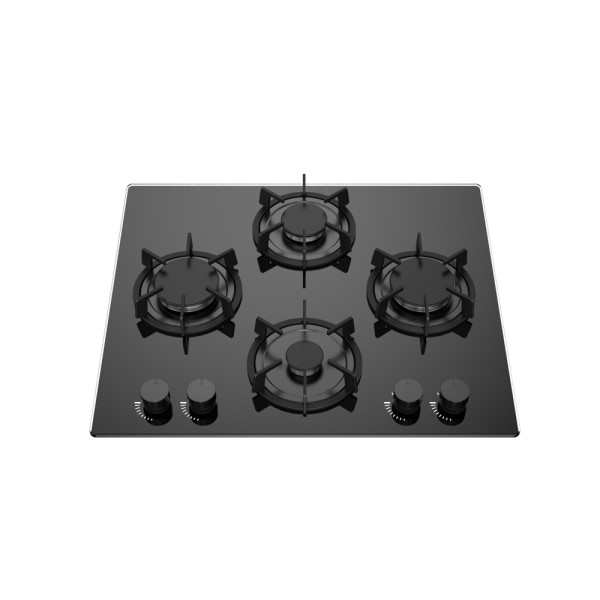
Greaidea's best-selling 4 burner gas hob — trusted by global appliance brands.
The Right Layout Depends on the Market and Brand Positioning
There is no single gas hob layout that works best for every market or product range. Cooking habits, household needs, common cookware sizes, and customer expectations can vary from one market to another.
Mainstream and practical models should focus on balanced burner spacing, useful power combinations, and straightforward operation. The layout needs to support everyday cooking while keeping the product configuration and target cost under control. Mid-to-high-end models can put more emphasis on refined control arrangements, visual balance, and a more considered cooking experience.
Getting these details right can help products stand out beyond their material choices and technical specifications. It can also reduce usability-related complaints and support a stronger product reputation. In this way, layout optimization becomes an important step in moving a gas hob from a product that meets basic requirements to one that offers a better reason to buy.
Turning Layout Ideas into Market-ready Gas Hob Products
Changes to burner spacing and control positions must work with the overall panel dimensions, pan supports, internal structure, and production requirements. This is where an experienced manufacturing partner can make a difference.
With extensive experience in the R&D and manufacturing of gas hobs, Greaidea maintains stable partnerships with numerous brands. By taking into account target markets, product positioning, and specific customer requirements, Greaidea assists brands in evaluating and optimizing several key aspects: burner power distribution and the spacing between cooking zones; the strategic placement of main and auxiliary burners; the alignment of control knobs with their respective burners; overall ease of use; and the comprehensive layout and aesthetic design of the cooktop surface.
Our end-to-end process encompasses design evaluation, feasibility analysis, prototype development, and pre-production product testing. This enables brands to determine whether a proposed layout is practical, user-friendly, and well-aligned with their intended product line. Our goal is to help clients develop a layout that not only reflects their unique design philosophy but also effectively meets the demands of their target market.
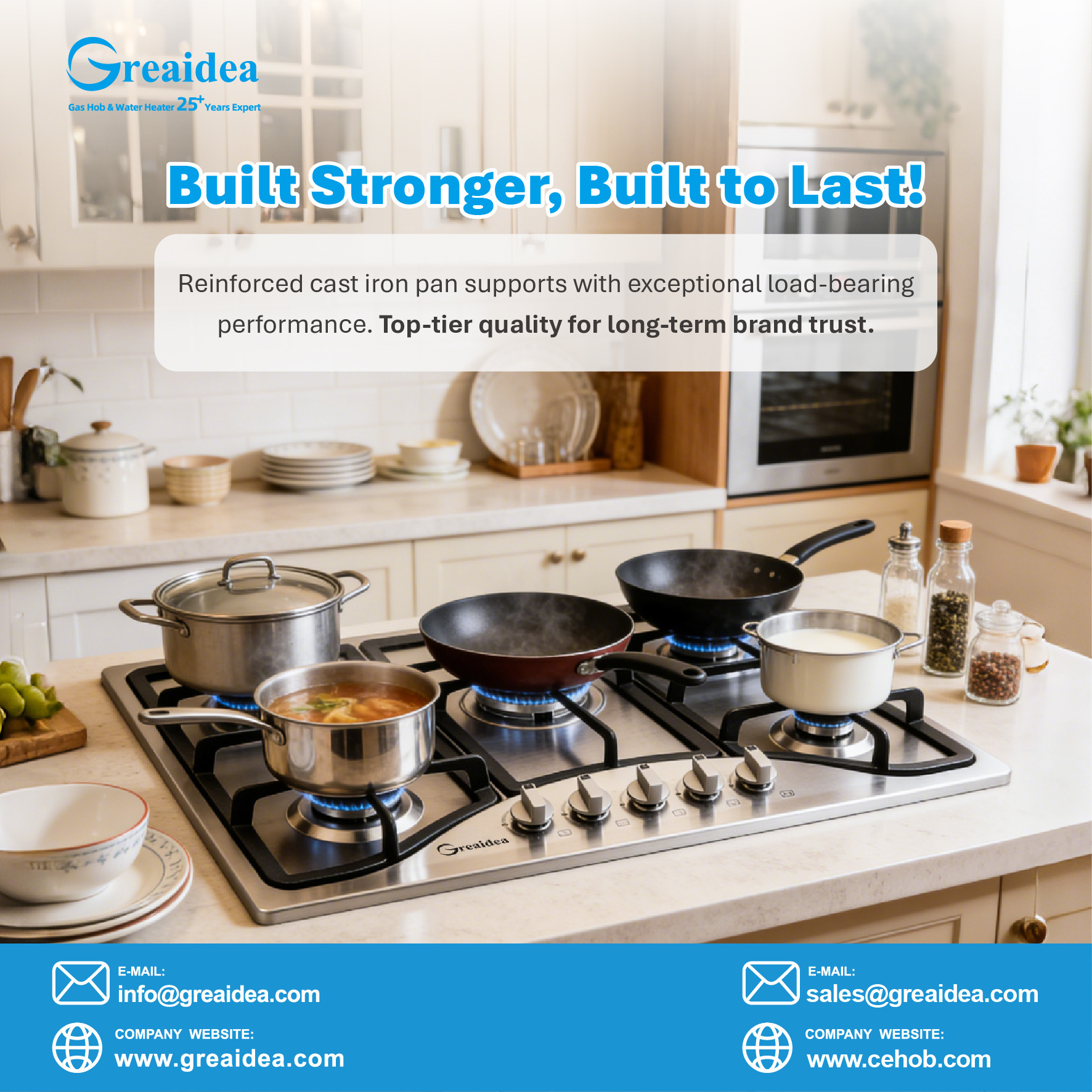
Continuous Product Improvement for Long-term Brand Growth
As market preferences change and brands expand into new segments, existing products may need to be refined and new configurations introduced. Through cooperation with brands across different markets, Greaidea continues to gather market feedback and review product requirements. This experience helps the team provide more targeted recommendations for burner arrangements, power combinations, knob layouts, and product appearance.
Greaidea can help evaluate existing gas hob ranges, explore improvements for mainstream models, and consider design options for mid-to-high-end products. With product design, engineering, and manufacturing capabilities, the team supports customers from product planning and sample development through testing and mass production. Helping brands develop product lines of gas cooktops that offer greater utility and competitiveness, ensuring that the product selection truly aligns with actual market demand.
Better Gas Hob Layouts Start with Better Product Planning
Burner and knob layout may seem like small design details, but they have a direct impact on cooking convenience and how users experience a gas hob. For brands looking to improve their gas hob products, these details deserve a place in the product planning process alongside materials, burner performance, and pan support design.
Looking to optimize your gas hob design or plan a new product range? Contact Greaidea to discuss your target market, burner configuration, knob layout, and OEM/ODM requirements. Greaidea works with brands to turn practical design ideas into gas hob products that better match customer needs and market positioning.