More Burners, More Gas? How the Right Gas Hob Configuration Helps Brands Win in Multi-Burner Markets
- Share
- Issue Time
- Jan 29,2026
Summary
Energy-efficient multi-burner gas hobs depend on smart configuration, not burner count. Discover how ODM expertise helps brands reduce gas use and win in competitive markets.
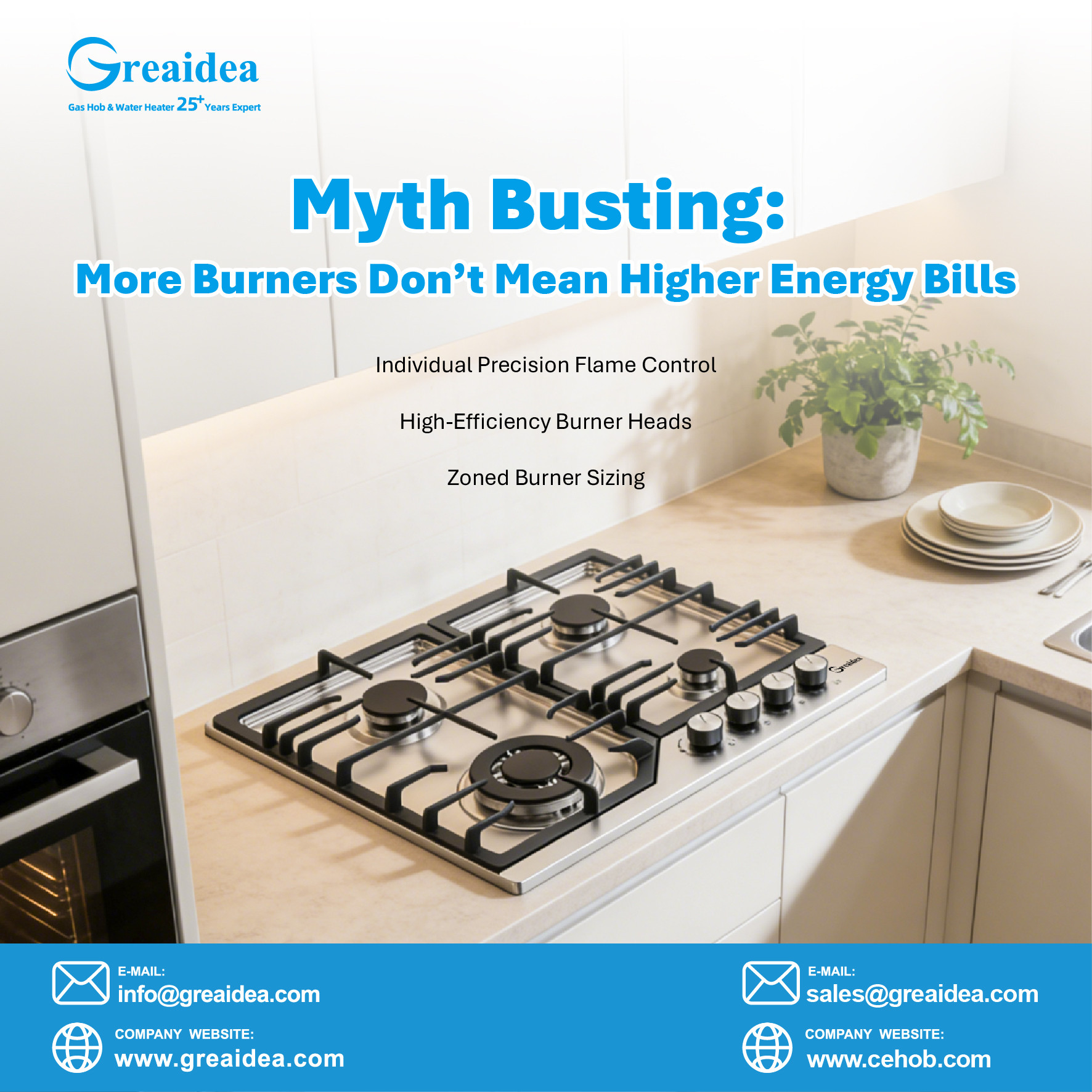
As brands plan their gas appliance portfolios for 2026, a familiar concern continues to surface across different markets: Are multi-burner gas hobs becoming less competitive due to perceived higher gas consumption?
Market data and real household behavior suggest the opposite. As cooking habits evolve, consumers increasingly expect to prepare multiple dishes at the same time—simmering soups, stir-frying vegetables, grilling meat—without compromising energy efficiency. For brands and importers, the real challenge is no longer the number of burners, but whether the gas hob configuration truly aligns with modern efficiency expectations.
Changing Cooking Habits Are Driving Multi-Burner Demand
Across many regions, especially in Latin America, Europe, and parts of Asia, household cooking patterns are shifting. Families cook more frequently at home and often prepare complex meals that require parallel cooking. This has led to growing demand for 4 burner and 5 burner gas hobs, even in medium-sized households.
What matters for brands is not simply following this trend, but understanding why consumers prefer these products. Multi-burner gas hobs represent convenience, flexibility, and time efficiency. When properly designed, they also meet expectations for controlled gas usage—an important factor as energy awareness rises globally.
The Misconception: More Burners Mean Higher Gas Bills
One of the most common misconceptions in the market is that more burners automatically lead to higher gas consumption. In reality, burner count alone does not determine energy efficiency. Gas usage depends on how effectively fuel is burned and how precisely heat is delivered to cookware.
When flame control is accurate and heat is concentrated under the cookware, cooking time shortens and gas waste decreases. For brands, addressing this misconception is critical to maintaining competitiveness in multi-burner segments.
What Actually Determines Energy Efficiency in Gas Hobs
From a technical perspective, energy-efficient gas hobs share several core characteristics that directly affect performance and gas consumption:
High-efficiency burners that promote complete combustion and stable blue flames
Precise flame control systems that prevent heat dispersion and flame overflow
Optimized burner size distribution, allowing different burners to match different cooking tasks
These design choices enable consumers to use multiple burners simultaneously without unnecessary gas loss. For brands, highlighting these elements in product positioning helps shift consumer focus from burner quantity to burner quality and configuration.
Why Configuration Matters More Than Burner Count
In multi-burner markets, the winning products are not those with the most features, but those with thoughtful configuration. This includes deciding which burner sizes to include, how they are positioned, and how gas output is balanced across the hob.
For example, combining one high-power burner with several medium and auxiliary burners allows users to cook efficiently without overusing gas. Brands that offer such balanced configurations are better aligned with real household usage scenarios and tend to see stronger sell-through rates.
Energy-Conscious Consumers Are Reshaping Product Expectations
(Combined Consumer & Manufacturer Insight Section)
Today's consumers are more informed and cost-conscious than ever. Rising energy prices have made energy-efficient gas hobs a priority. Many buyers actively compare gas consumption ratings and look for designs that promise long-term savings.
This shift raises an important question for brands and importers: Does your manufacturing partner truly understand these consumer expectations?
Without a manufacturer capable of translating market insight into product design, even well-positioned brands risk offering outdated or inefficient models.
This is where ODM capability becomes essential. Manufacturers must not only produce gas hobs, but also participate in product definition—configuring burners, optimizing combustion systems, and adapting designs for specific regional markets.
Why ODM Capability Makes the Difference in Multi-Burner Markets
At this stage, the role of the manufacturer becomes decisive. A true ODM partner can help brands design gas hobs that meet both market demand and regulatory requirements, while remaining competitive on cost and performance.
This is where Greaidea naturally enters the conversation. With 25 years of experience in gas appliance ODM and OEM manufacturing, Greaidea works closely with brand partners to configure multi-burner gas hobs based on target markets, gas types, and consumer behavior—rather than offering one-size-fits-all solutions.
Greaidea's Strength in Gas Hob Configuration and Manufacturing
Greaidea's advantage lies in its deep understanding of how design decisions affect real-world performance. Its gas hob solutions focus on:
High-efficiency burner systems with stable, controlled flames
Flexible burner size combinations tailored to different cooking habits
Multiple control options, including rotary knobs and touch control systems
Designs adapted to different gas sources and regional standards
By combining technological expertise with market insight, Greaidea helps brands build gas hob product lines that are efficient, scalable, and aligned with consumer expectations in multi-burner markets.
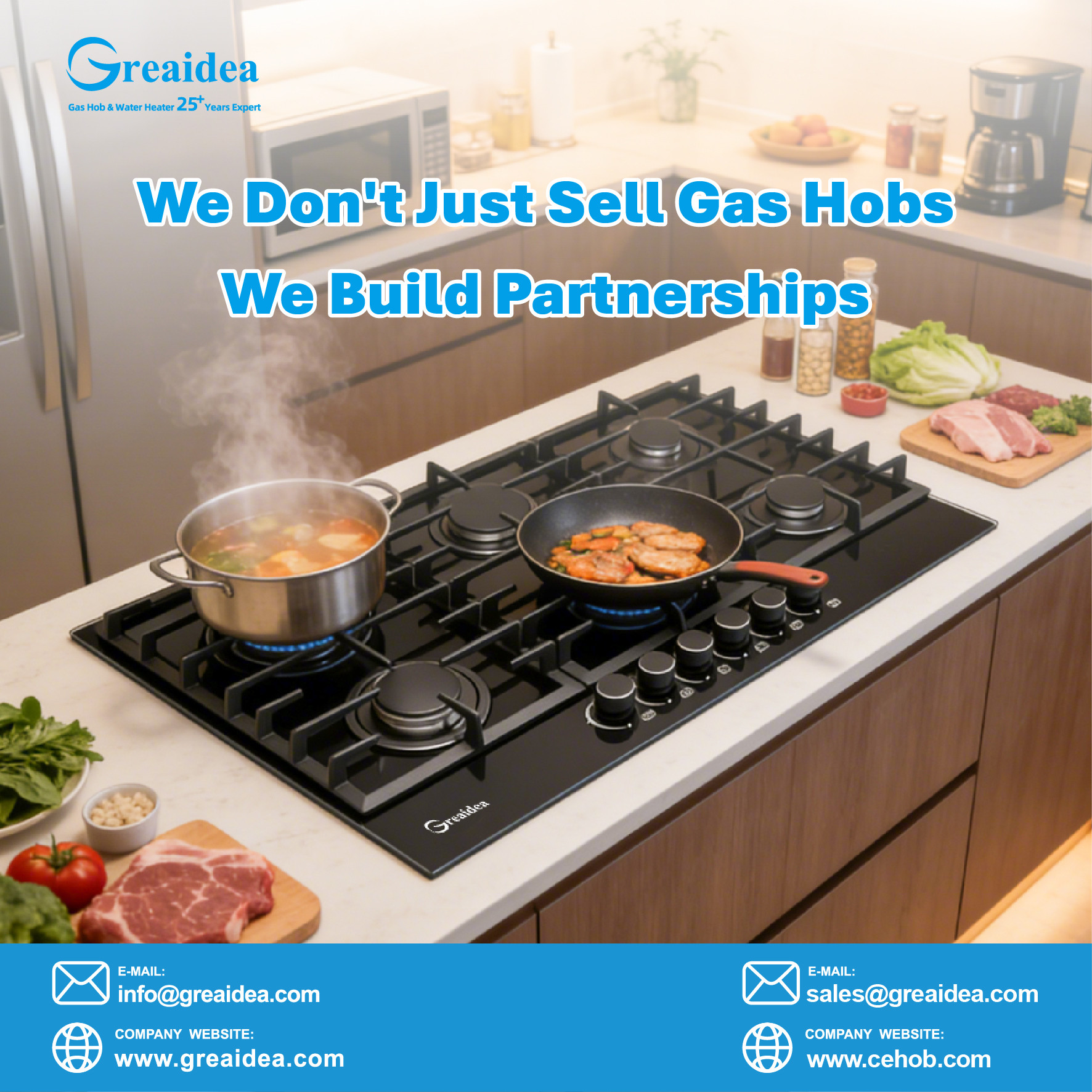
From Concept to Market Success: Real ODM Collaboration in Action
In a recent successful case, Greaidea partnered with regional brands that faced declining sales in traditional gas hob categories. These brands needed differentiated products that addressed energy efficiency concerns without increasing retail prices.
Working from early concept stages, Greaidea helped redesign burner layouts, upgrade combustion efficiency, and refine overall product aesthetics. The result was a new generation of multi-burner gas hobs that reduced perceived gas consumption while improving cooking performance. For these partners, the outcome was measurable: faster market acceptance, fewer post-sale complaints, and improved sales performance within the first product cycle.
Planning for 2026: Building Competitive Gas Hob Lines with the Right Partner
As multi-burner gas hobs continue to dominate many markets, brands that succeed will be those that invest in smart configuration, energy efficiency, and reliable manufacturing partnerships. More burners do not have to mean more gas—when products are designed with real usage in mind.
For brands looking to upgrade their gas hob portfolio or develop new multi-burner models for 2026, working with an experienced ODM manufacturer is a strategic advantage.
Greaidea is ready to support you—from configuration planning to final production—helping your brand compete and grow in energy-conscious markets.
Contact Greaidea to explore tailored gas hob ODM solutions for your next product line.
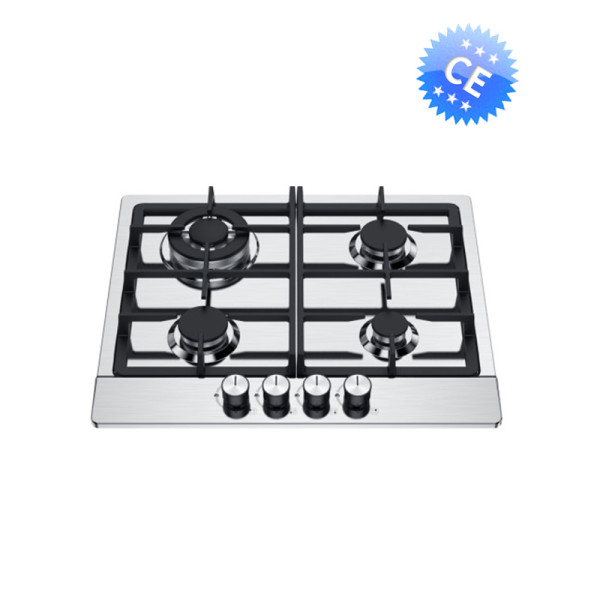
Ideal for distributors seeking CE-certified, durable, and cost-effective gas hobs.
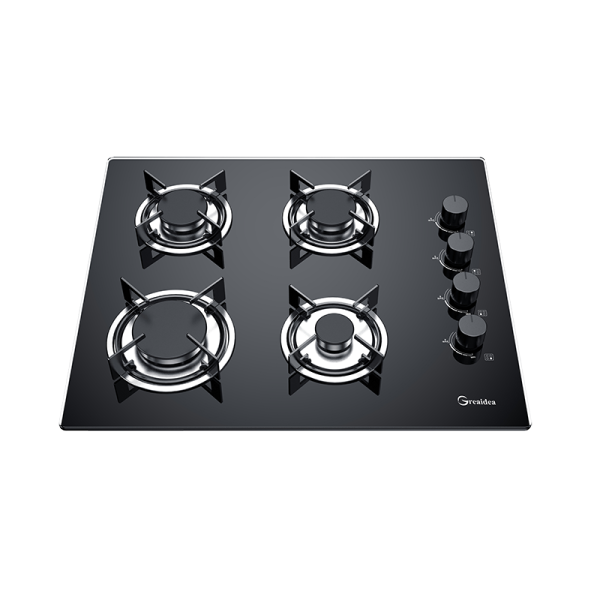
New Design 4 burner gas hob — customized designs to match your market needs.
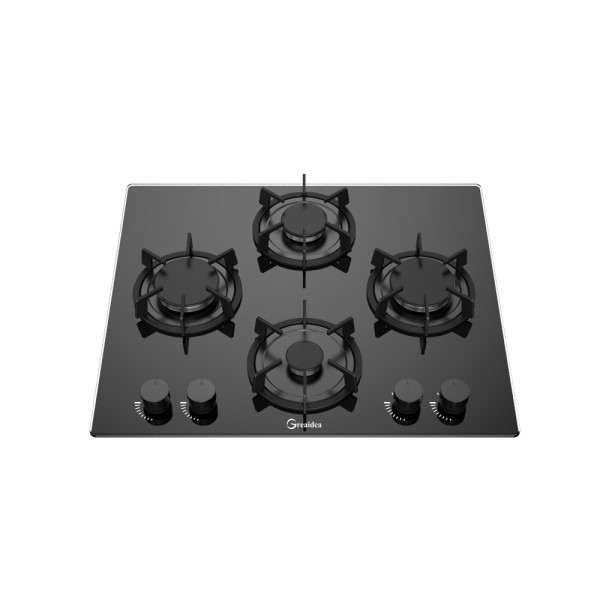
Greaidea's best-selling 4 burner gas hob — trusted by global appliance brands.
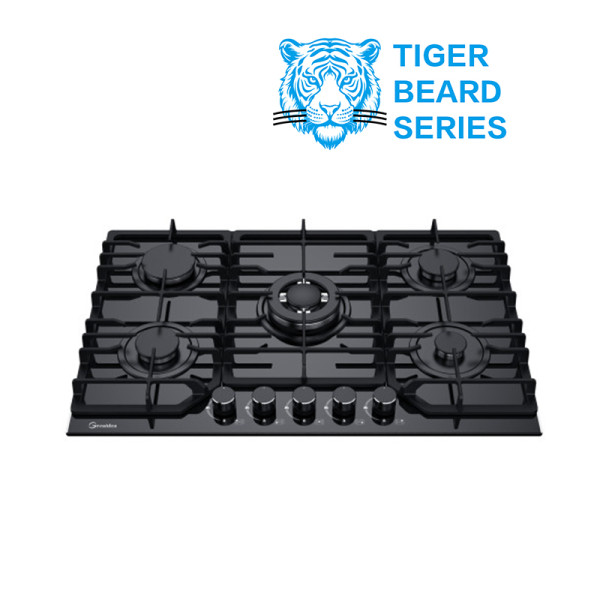
Tiger Beard Series — Perfect choice for importers seeking CE-certified high-performance gas hobs.