How to Upgrade Gas Hob Functions to Stay Competitive: A Practical ODM Guide for Appliance Brands
- Share
- Issue Time
- Dec 30,2025
Summary
This blog explains how appliance brands can upgrade gas cooker product lines with safer, smarter features through ODM customization—improving usability, compliance, and market competitiveness.
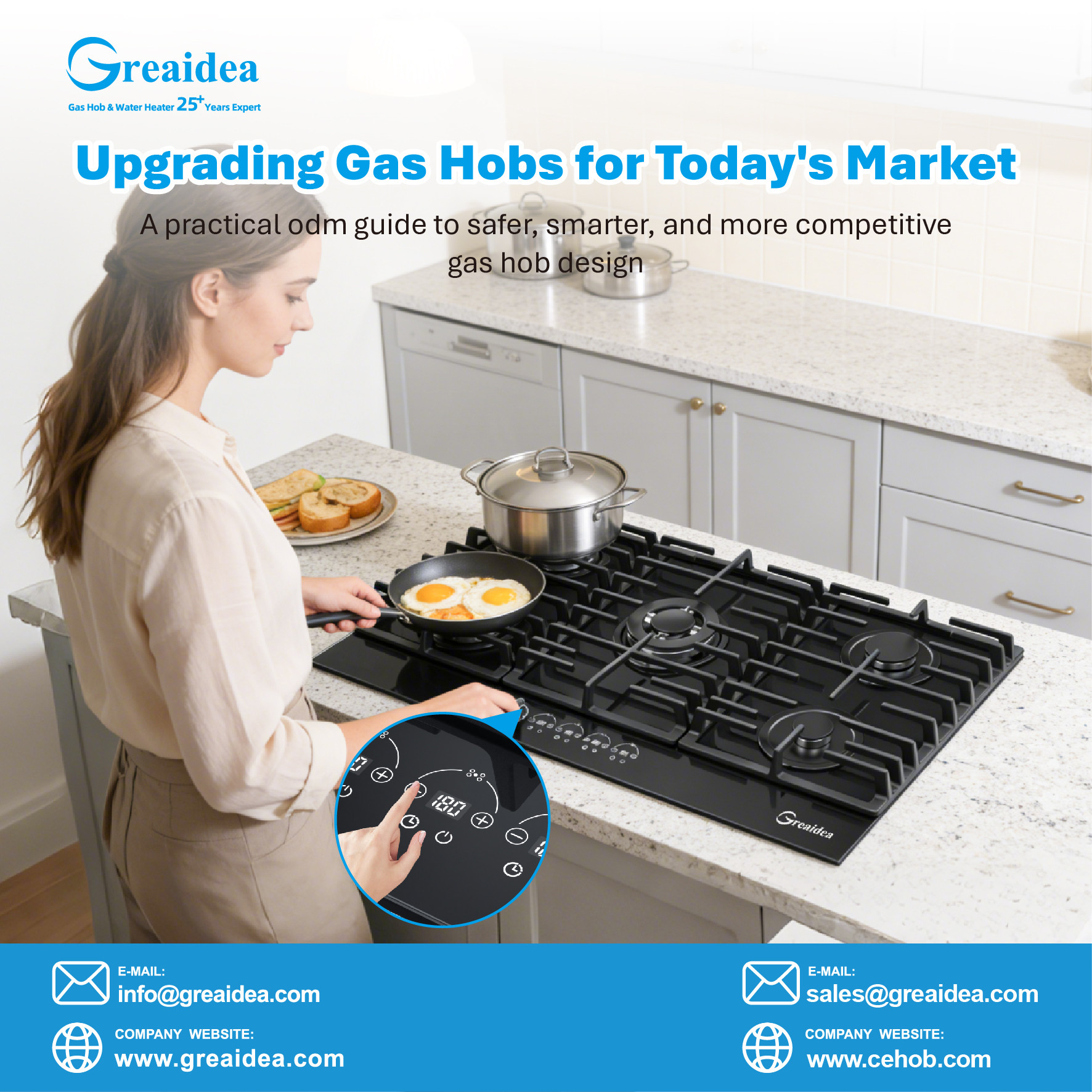
For many appliance brands, gas hobs have remained unchanged for years. The same burner layout, the same mechanical knobs, the same basic safety configuration. While this approach once worked in price-driven markets, it is no longer enough. Across regions such as Latin America, the Middle East, Southeast Asia, and parts of Africa, end users are demanding more from their kitchen appliances—without necessarily accepting a dramatic increase in price.
Today's gas hob is expected to do more than ignite a flame. It needs to help users manage time, reduce safety risks, and visually integrate into modern kitchens. For brands and distributors, this shift presents both a challenge and an opportunity. The brands that upgrade their gas hob product lines strategically are gaining market share, while those that rely on outdated designs are steadily losing relevance.
Why Traditional Gas Hobs Are Losing Ground
The decline of traditional gas hob models is not driven by technology alone, but by changing user behavior. Households are busier, cooking routines are more fragmented, and safety awareness is significantly higher than it was a decade ago. Many users no longer want to stay in the kitchen throughout the entire cooking process. At the same time, they are less tolerant of accidents, gas smells, or inconsistent flame performance.
From a brand perspective, the risks of maintaining an old product line are becoming clearer. Dealers struggle to differentiate products on the shelf. Price competition intensifies because there is little functional distinction.
Upgrading gas hob functions is no longer about adding novelty. It is about aligning products with how people actually cook and live today.
Feature Upgrade #1: Built-in Timer — More Freedom, Fewer Risks
One of the most practical upgrades brands can introduce is a built-in timer function. This is not a "smart home gimmick," but a tool rooted in everyday cooking behavior. In many households, gas hobs are used for boiling, stewing, and slow cooking. Without a timer, users must rely on memory or external reminders, increasing the risk of overcooking or dry burning.
A built-in timer allows the cooker to automatically shut off after a preset duration. In real use, this means users can step away to handle other tasks without constant monitoring. The benefit is immediate and intuitive, even for users who are not comfortable with advanced electronics.
For brands, timer-equipped gas hobs help reduce user error-related complaints and position the product as more thoughtful and user-oriented. Importantly, this upgrade can be implemented in a cost-controlled way through proper ODM gas hob design, making it suitable for mid-range product lines.
Feature Upgrade #2: Flame Failure Device — Safety as a Non-Negotiable Standard
If there is one feature that should be considered non-negotiable in modern gas hobs, it is the flame failure device. Accidental flame extinguishing can occur due to spills, airflow changes, or improper pot placement. Without protection, gas continues to flow, creating serious safety hazards.
A flame failure device automatically cuts off the gas supply when the flame is unexpectedly extinguished. From the user's perspective, this function often goes unnoticed—until the moment it prevents an accident. From the brand's perspective, it significantly reduces risk exposure, safety-related returns, and reputational damage.
In many markets, safety expectations are rising even where regulations remain inconsistent. Brands that proactively integrate flame failure devices into their gas hob designs are better positioned for long-term compliance and consumer trust.
Feature Upgrade #3: Control Interface — From Knobs to Premium Experience
Another area where gas hobs are rapidly evolving is the control interface. Traditional knobs are functional, but they no longer meet the expectations of all user segments. Today, brands are using control upgrades to clearly differentiate between entry-level, mid-range, and premium models.
Upgraded options include illuminated knobs for better visibility, especially in low-light kitchens. 9-stage valve systems allow for finer flame control, supporting a wider range of cooking styles. For high-end lines, touch control panels offer a sleek appearance that aligns with contemporary kitchen design trends.
These upgrades are not about replacing mechanical reliability, but about enhancing usability and perceived value. Through ODM gas hob customization, brands can select control configurations that match their target price points and market positioning, rather than applying a one-size-fits-all approach.
ODM Is a Product Strategy, Not a Single Feature
A common misconception in the industry is that ODM means simply modifying an existing product. In reality, effective ODM development is a structured process that balances market needs, cost targets, safety standards, and production scalability.
For gas hobs, this includes decisions about external design language, internal component selection, safety systems, and functional combinations. A well-executed ODM project does not add unnecessary features. Instead, it prioritizes the right features for the right users and removes inefficiencies that drive up cost without adding value.
This strategic approach allows brands to refresh their product lines while managing risk, ensuring that new models are both competitive and commercially viable.
Case Insight: Revitalizing a Gas Hob Line in Latin America
A well-established Latin American appliance brand faced stagnating sales after years of relying on the same gas hob designs. Their existing supplier lacked the capability to support meaningful product upgrades, and dealers were increasingly pushing back due to limited differentiation.
After partnering with Greaidea, the brand undertook a full product line review. Market usage patterns, safety expectations, and cost sensitivity were carefully analyzed. The resulting ODM solution introduced upgraded safety features, refined control options, and a refreshed visual design aligned with local kitchen trends.
The outcome was a clear improvement in dealer confidence and end-user response. New models gained faster market acceptance, and the brand gradually regained shelf presence against stronger competitors. According to the client, the collaboration shifted their gas hob business from maintenance mode back into growth.
Staying Competitive Starts With Smarter Product Decisions
The gas hob market is not becoming simpler—it is becoming more selective. Brands that succeed are those that understand where functional upgrades truly matter and how to implement them efficiently. Timers, flame failure devices, and upgraded control interfaces are not trends; they are responses to real user expectations.
With over 25 years of experience in ODM & OEM manufacturing, Greaidea supports appliance brands in developing gas hob solutions tailored to their specific markets. From functional planning to scalable production, the goal is not just to build products, but to help brands compete with confidence.
If you are planning to upgrade your gas hob range or reposition your product line, working with the right manufacturing partner can make all the difference. Contact Greaidea. Email: sales@greaidea.com
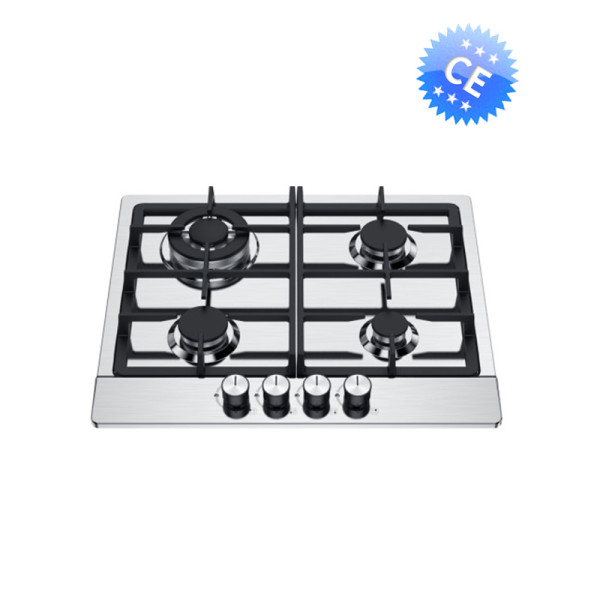
Ideal for distributors seeking CE-certified, durable, and cost-effective gas hobs.
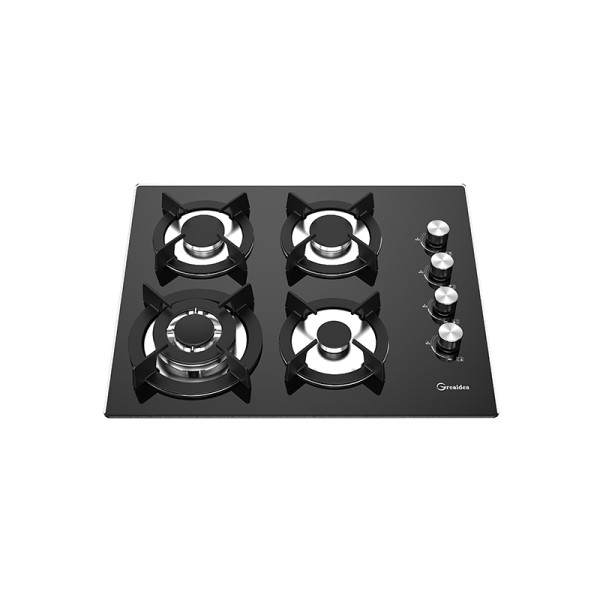
The first choice to enhance your gas hob series, Greaidea provides high-end configurations at competitive prices.
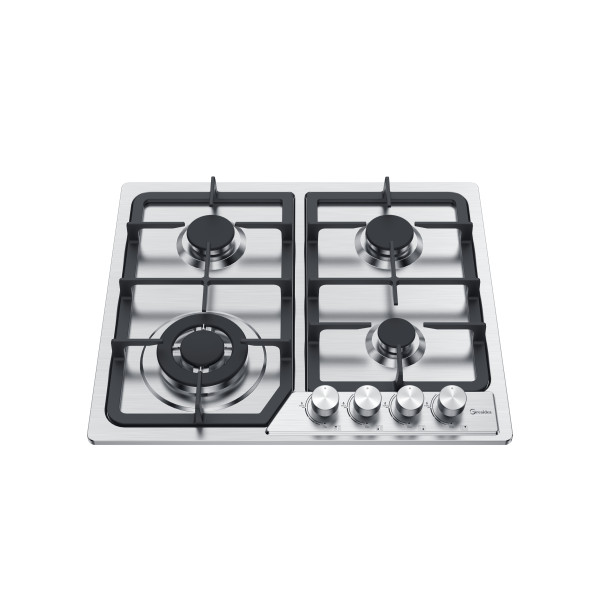
IDEAL KITCHEN CHOICE - 4 burner stainless steel gas hob features high heat output, stable flame and easy to clean surface.
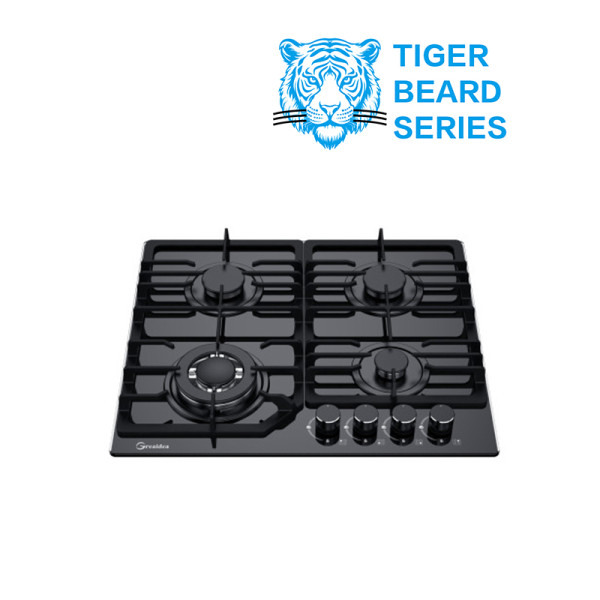
Tiger Beard Series—Durable glass surface, easy to clean, built for high efficiency.