Cast Iron vs. Enamel Wire Pan Supports: How to Choose the Right Design for Your Gas Hob Product Line
- Share
- Issue Time
- Oct 22,2026
Summary
Compare cast iron and enamel wire pan supports for gas hobs, exploring stability, weight, cleaning, design and cost to help brands choose suitable configurations for their product lines.
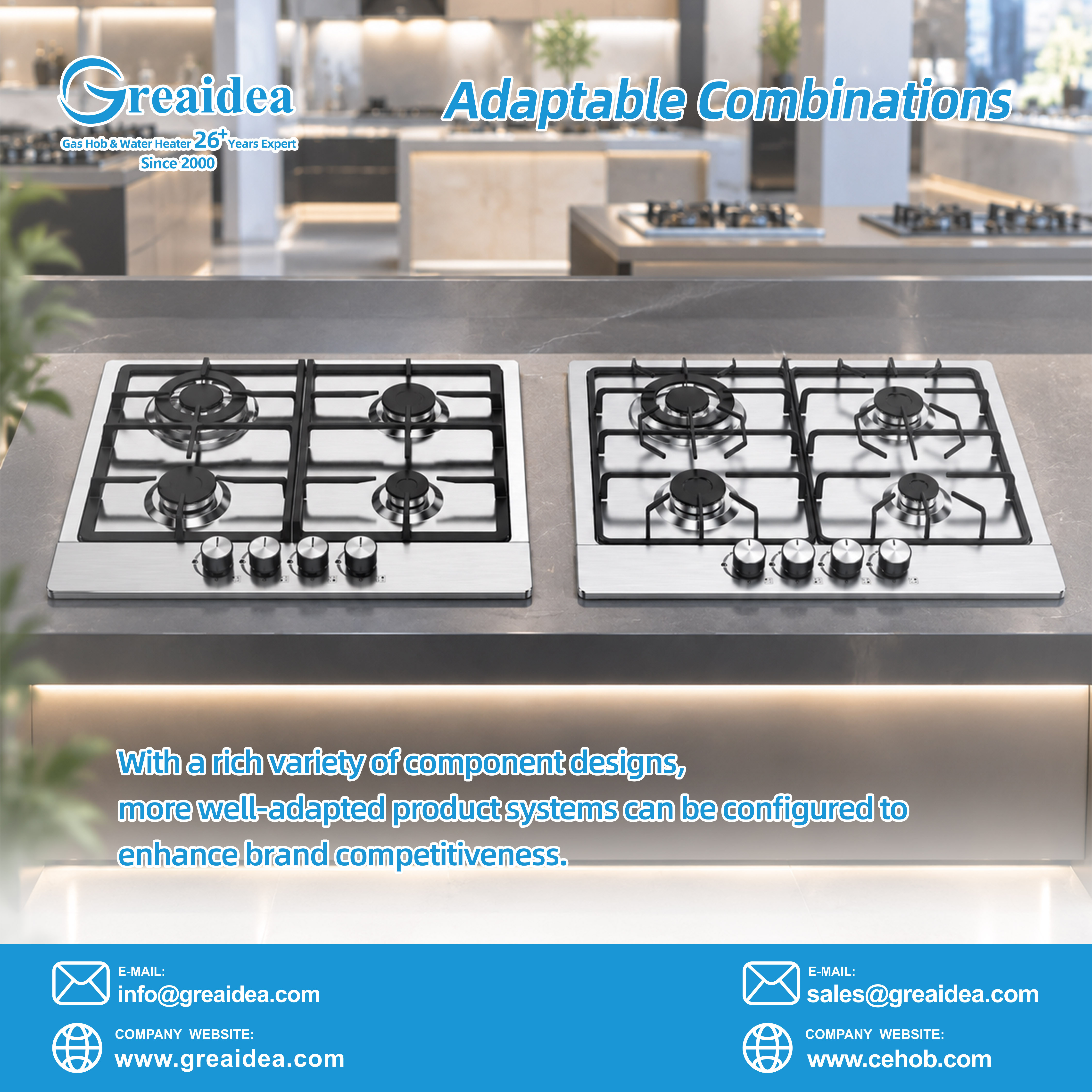
Gas hob pan supports may look like a component, but their design affects more than appearance. Material, structure, weight, cookware stability, cleaning and manufacturing cost all influence the final product. For gas hob brands, choosing between cast iron pan supports and enamel wire pan supports is about finding the right configuration for the target market, product positioning and price range.
Cast Iron vs. Enamel Wire Pan Supports: Understanding the Basics
Cast iron pan supports are made from cast metal and can be designed with substantial support sections, raised profiles and a solid appearance. Enamel wire pan supports are typically formed from metal wire and finished with an enamel coating, allowing different line patterns and support configurations.
Both designs can serve different gas hob requirements. Their actual performance depends on the material specifications, structural design, manufacturing process and surface finish. The key question for brands is not which type is universally better, but which design best fits the intended product and customer expectations.
Comparing Cast Iron and Enamel Wire Pan Supports
Choosing between cast iron and enamel wire pan supports is not simply a question of which material is "better." Each has its own advantages in structure, stability, weight, appearance and cost. For gas hob brands, the right choice depends on how the product is positioned and what users in the target market expect.
Material and Structure
Cast iron pan supports are produced through a casting process, allowing thicker sections, wider supporting arms and more integrated shapes. After casting and finishing, the surface is typically coated or enamelled to improve appearance and surface protection.
Enamel wire pan supports are usually made by bending and joining steel wire into the required geometry, followed by surface treatment such as enamel coating. Their construction is more open and uses considerably less material. Wire diameter, welding quality, support layout and reinforcement all influence the strength of the finished support.
Cookware Stability
Cast iron designs can provide wider contact areas and substantial supporting arms. This can be particularly useful for larger frying pans, stockpots and heavier cookware, helping the cookware sit securely on the cooking surface.
Wire supports have narrower contact areas, but a well-designed structure can still provide reliable stability for common household cookware. Increasing wire diameter, optimizing the number and position of support points, and improving the geometry around each burner can make a significant difference.
Weight and Product Handling
Cast iron is considerably heavier than wire construction. The added weight can give users a more substantial feel when placing or removing cookware and is often associated with a solid cooking surface. However, additional weight also affects the complete appliance. It can increase the weight of the gas hob and influence packaging, handling and transportation requirements, especially for brands shipping large volumes internationally.
Wire supports offer a clear advantage in this respect. Their lower weight makes them suitable for products where overall appliance weight, packaging efficiency and logistics costs need to be controlled.
Appearance and Product Positioning
Cast iron is frequently selected for gas hobs positioned around durability, cooking performance or a more premium appearance. It pairs particularly well with tempered glass and stainless-steel panels.
Wire supports create a lighter and more open cooking surface. Their simpler lines expose more of the panel underneath and can work well with compact, minimalist or value-oriented product designs.
Manufacturing and Total Cost
Cast iron supports require casting, finishing and surface-treatment processes, and their greater material consumption and weight generally result in higher component and logistics costs. More complex or customized shapes can also require dedicated tooling and additional processing.
Wire supports use less material and can be efficiently produced through wire forming, welding and coating processes. For high-volume gas hob programs, this can provide meaningful advantages in component cost, production efficiency and transportation.
For a brand developing a new gas hob range, the decision should therefore be connected to the product's target retail segment and market requirements. A model designed around a substantial cooking experience may justify the additional cost of cast iron, while a high-volume model focused on practical performance and competitive pricing may benefit more from a well-engineered enamel wire support.
Ultimately, the best pan support is not necessarily the heaviest or the least expensive one. It is the one whose structure, stability, durability, appearance and cost match the positioning of the complete gas hob.
How Should Gas Hob Brands Choose the Right Pan Support Design?
Before selecting cast iron or enamel wire pan supports, brands should consider four factors.
Target market: Understand local cookware preferences, customer expectations and the price range of competing gas hobs.
Brand positioning: A product range focused on a substantial, premium-looking design may call for a different support structure from one emphasizing a clean appearance and practical value.
Target cost: Evaluate component cost together with finished-product weight, packaging, shipping and the overall configuration.
Complete product design: Check how the pan supports work visually and structurally with the burner arrangement, panel material and control layout.
Different configurations can help establish clearer product distinctions while keeping each model aligned with its intended market.
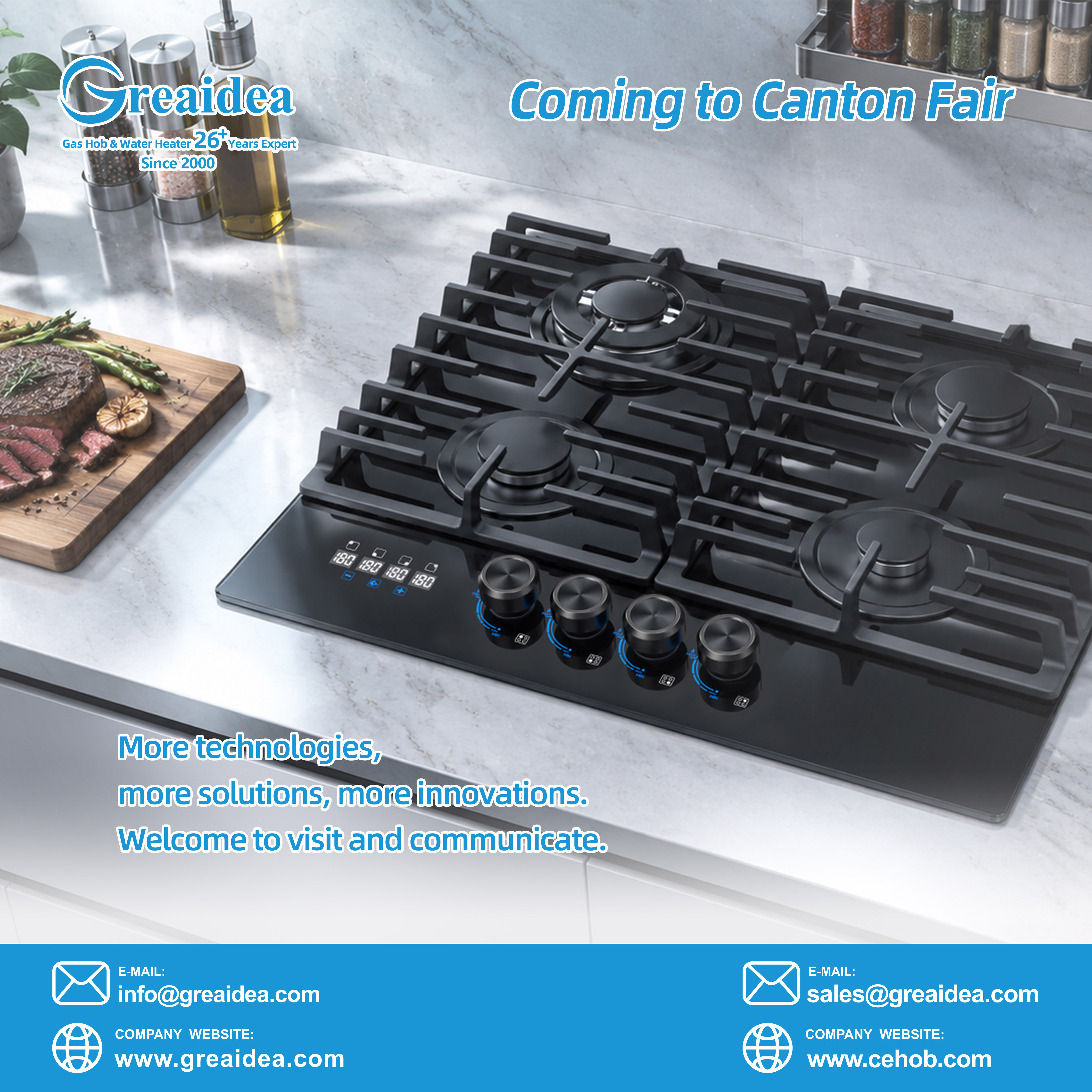
Recommended: Greaidea, a Top Gas Hob Manufacturer in China for Flexible Product Designs
Choosing the right pan support is easier when the manufacturer understands both product design and the requirements of different markets. Greaidea brings gas hob manufacturing experience and a range of designs to help brands evaluate suitable configurations for their product lines.
Depending on the model and requirements, options can be considered alongside burner layouts, panel styles and control designs. Whether a brand prefers the substantial appearance of cast iron supports or the clean lines of enamel wire supports, Greaidea can recommend suitable options based on its target market, brand positioning, cost expectations and appearance requirements.
For importers and established appliance brands, this provides a clearer basis for choosing products that fit their market and compete effectively in their intended price segment.
Explore Greaidea Gas Hobs: From 2-Burner to 6-Burner Designs
Pan supports are only one part of a well-designed gas hob. Their value becomes clearer when they are considered together with the burner layout, panel material, controls and overall product positioning.
Greaidea offers gas hobs ranging from 2-burner to 6-burner configurations, with a strong selection of 4-burner and 5-burner models for different markets. Brands can choose from cast iron or enamel wire pan supports, tempered glass or stainless-steel panels, different burner combinations, control designs and other configurable features.
For buyers serving both online and offline channels, product appearance can help attract attention, while the overall configuration needs to match customer expectations and the target price. A well-chosen combination of burner layout, pan support style, panel design and controls can give a product a clearer identity and help brands offer more relevant choices to end users.
Greaidea can recommend suitable gas hob models and configurations according to your market, brand requirements and target cost. Whether you are expanding an existing range or sourcing products for a new market, the aim is to help you build a competitive gas hob lineup that supports your brand's growth.
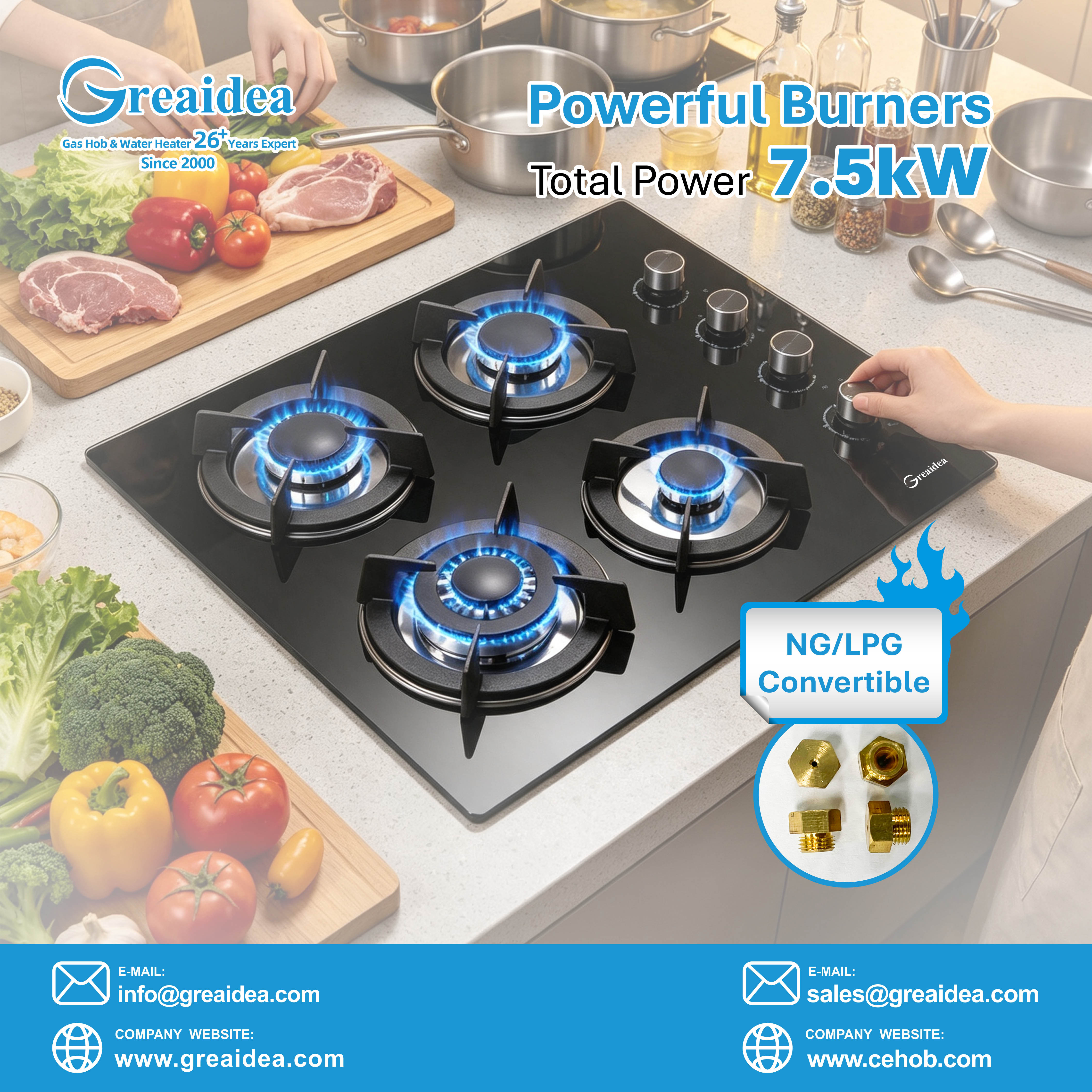
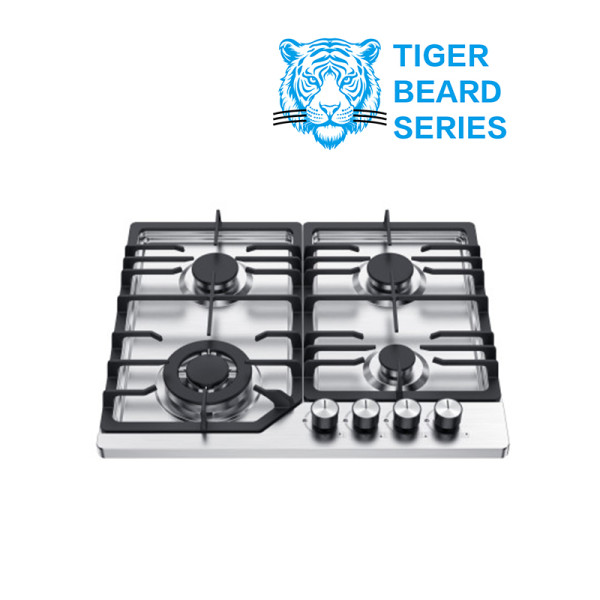
Tiger Beard Series – Newly designed four burner gas hob with high-efficiency burners that stand out in the market.
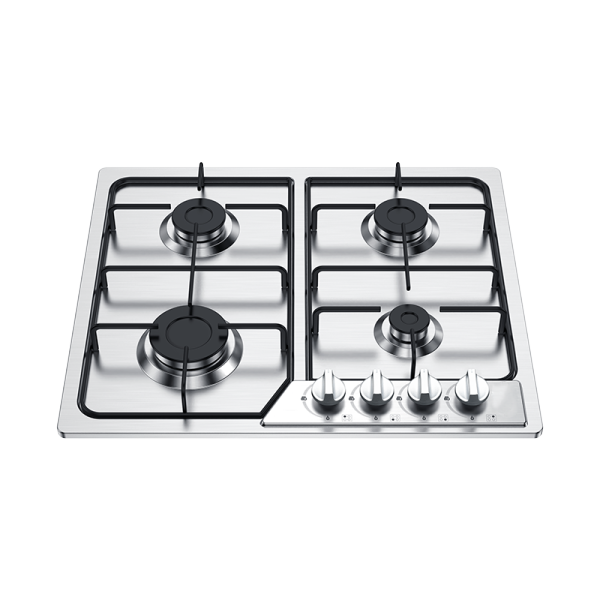
A durable 4-burner stainless steel gas hob with premium features, perfect for expanding mid-range to high-end product line.
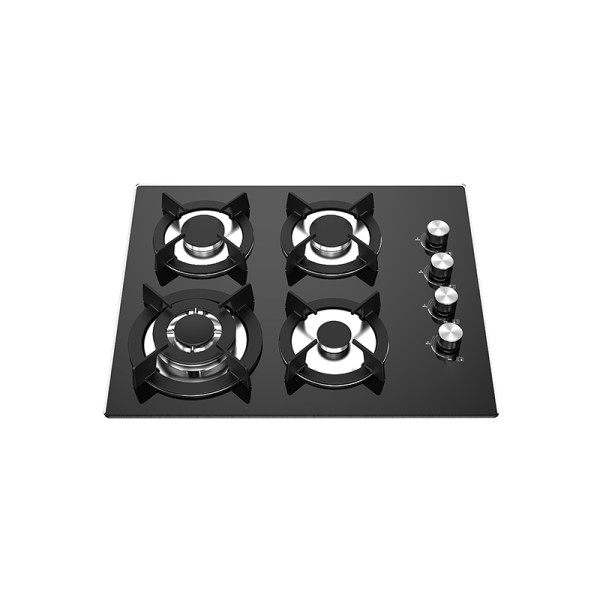
The first choice to enhance your gas hob series, Greaidea provides high-end configurations at competitive prices.
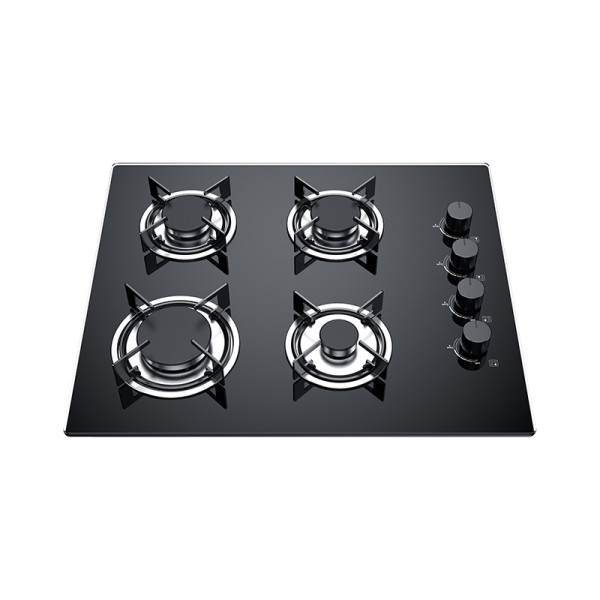
New Design 4 burner gas hob — customized designs to match your market needs.
Choosing the Right Pan Support for Your Gas Hob
Cast iron and enamel wire pan supports each have their place in gas hob design. Cast iron offers a more substantial structure, wider supporting surfaces and a stronger visual presence, while enamel wire supports provide advantages in weight, production efficiency and cost control. The right choice ultimately depends on the cookware habits of the target market, expected product performance, design language and price positioning.
For gas hob brands, the real value comes from matching the pan support with the complete product rather than evaluating it as an isolated component. Greaidea combines more than 26 years of gas appliance manufacturing experience with flexible OEM & ODM capabilities to help brands develop gas hob configurations around their market requirements, brand positioning and target cost.
Looking for a reliable gas hob manufacturer in China? Contact Greaidea to discuss your target market, product positioning and sourcing plan. Our team can recommend suitable gas hob models, pan support designs and OEM/ODM configurations to help you build a more competitive product lineup.